Timetable
Log in to star items.
Time zone: Europe/London
 Nicolas Le Bigre, lecturer at the Elphinstone Institute, offers a personal tour of Old Aberdeen’s ancient and contemporary sites, sharing legends, unpacking problematic histories, and giving participants a multi-layered understanding of the former burgh of barony. Sites include King’s College Chapel (begun late-15th c.), St Machar’s Cathedral, and if time permits, Scotland’s oldest bridge, the gothic-arched Brig o Balgownie.
Participants should be fit walkers.
The tour is fully subscribed and unfortunately we can not accommodate further participants
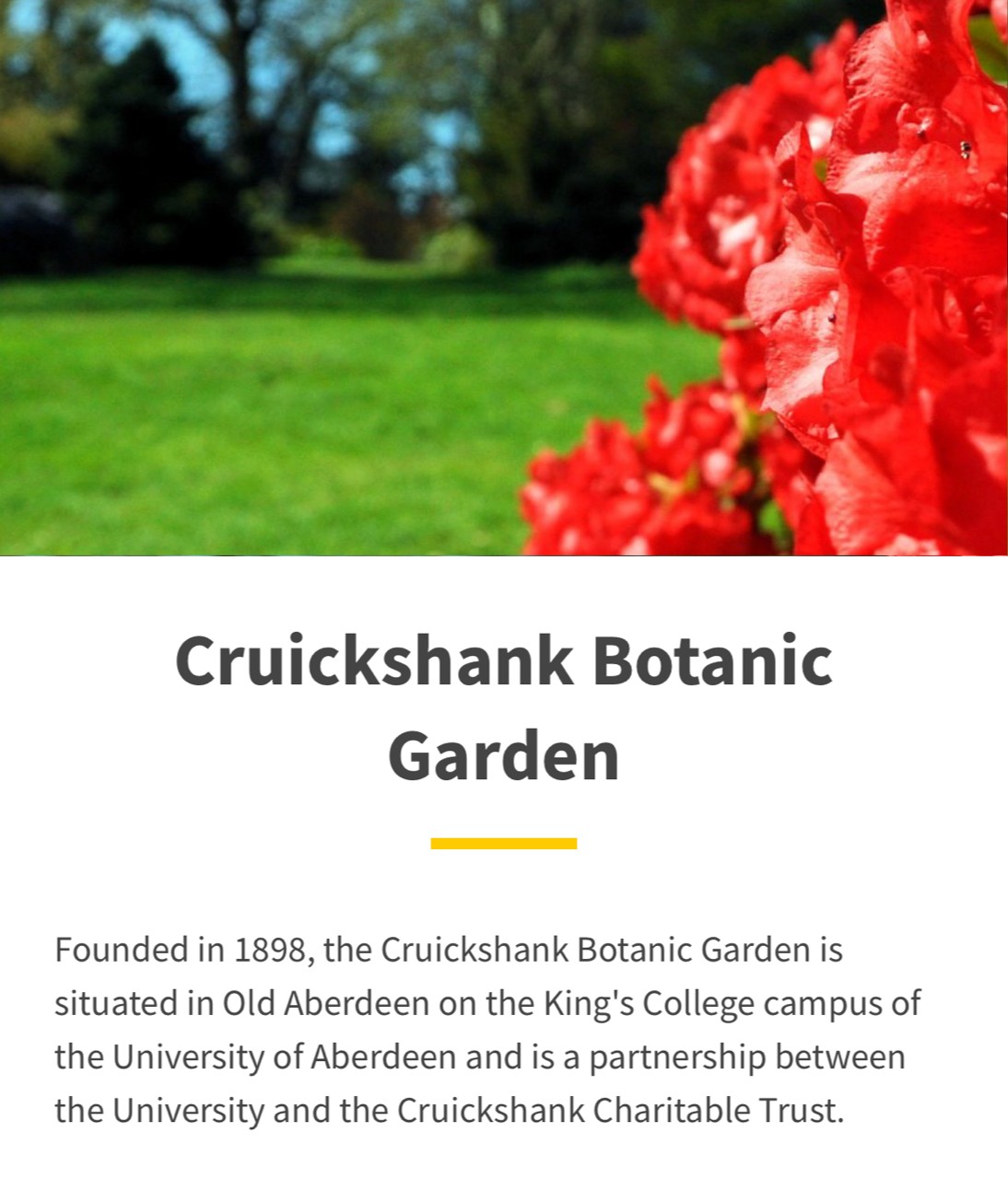 Mary Cane, PhD student at the Elphinstone Institute, offers a guided two-hour walking tour of the University’s Botanic Garden to consider the role plants have played in our lives.
 The curator of the garden, Mark Paterson, will welcome us to the garden and answer botanic questions. Toilets are available at the nearby Student Hub, and most of the garden has level grit paths accessible to wheelchairs. (Limited places, sign-up to follow soon)
Spaces are limited, so please sign up using this form.
 The Elphinstone Institute has created a number of short films presenting practitioners of vernacular culture in North-East Scotland.
 Take a breather from the busy congress and watch films on Scots language, traditional foodways, folk narrative, migration, calendar customs, poetry, song, and music.
These short films will be running throughout the congress in KQG4, King's College Quad.
Opening ceremony and plenary discussion: Don Kulick & Amy Shuman in conversation with Dr Thomas McKean, Elphinstone Institute.
Log in to see the recording of the plenary, only conference delegates be able to access the recorings.
Don Kulick and Amy Shuman have worked for decades with, and written books about, people who easily can be labelled as ‘vulnerable’: villagers in Papua New Guinea who have abandoned their traditions and their language; trans sex workers in Brazil; asylum seekers in the US and UK; and people with disabilities in North America and Europe. Both have written extensively about language, discourse, and practice, and both write with a strong commitment to social justice. This session takes the form of a conversation about topics such as hesitancy and doubt (both epistemologically and practically), witnessing, responsibility, stigma, and audience. Audience participation and comment will be welcomed and encouraged.
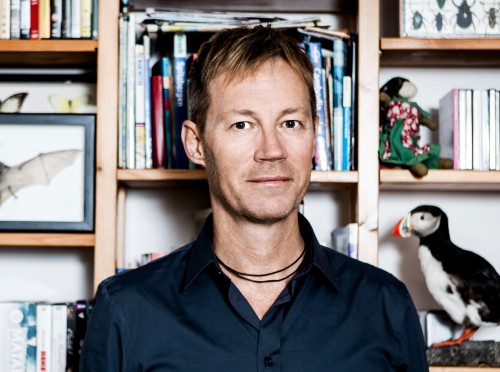 Don Kulick is Distinguished University Professor of Anthropology at Uppsala University, where he directs the Engaging Vulnerability research program and the ERC Advanced Grant research project “Out of Sight”. His books include Travesti: sex, gender and culture among Brazilian transgendered prostitutes (1998, U Chicago Press); Loneliness and its Opposite: sex, disability and the ethics of engagement (with Jens Rydström, 2015, Duke U Press); A Death in the Rainforest: how a language and a way of life came to an end in Papua New Guinea (2019, Algonquin Books), and the forthcoming Clashing Vulnerabilities: disabilities in conflict (edited with Simo Vehmas, Routledge). He is currently beginning a research project on Papua New Guineans who work in slaughterhouses in Western Australia.
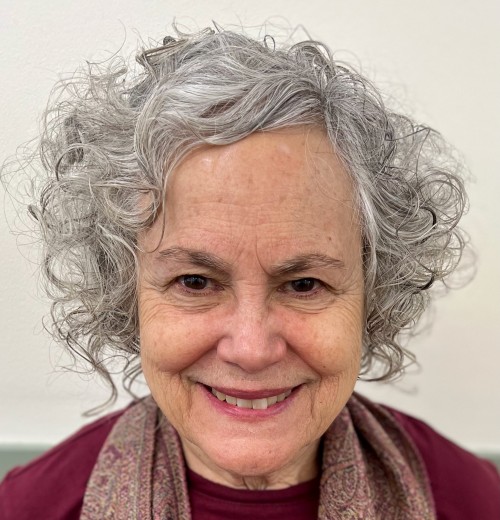 Amy Shuman is Professor Emerita of Folklore in the Department of English at The Ohio State University. She is a Guggenheim Fellow and received a Lifetime Achievement Award from the American Folklore Society. She is the author of four books: Storytelling Rights: the uses of oral and written texts among urban adolescents; Other People’s Stories: Entitlement Claims and the Critique of Empathy; Rejecting Refugees: Political Asylum in the 21st Century (with Carol Bohmer); and Political Asylum Deceptions: The Culture of Suspicion (with Carol Bohmer). Her edited books include The Stigmatized Vernacular (with Diane Goldstein) and Technologies of Suspicion and the Ethics of Obligation in Political Asylum. Her primary area of research is narrative, including narratives about disability and political asylum, and she is completing a book on the artisan stonecarvers of Pietrasanta, Italy.
The Elphinstone Institute has created a number of short films presenting practitioners of vernacular culture in North-East Scotland.
Amy Shuman is Professor Emerita of Folklore in the Department of English at The Ohio State University. She is a Guggenheim Fellow and received a Lifetime Achievement Award from the American Folklore Society. She is the author of four books: Storytelling Rights: the uses of oral and written texts among urban adolescents; Other People’s Stories: Entitlement Claims and the Critique of Empathy; Rejecting Refugees: Political Asylum in the 21st Century (with Carol Bohmer); and Political Asylum Deceptions: The Culture of Suspicion (with Carol Bohmer). Her edited books include The Stigmatized Vernacular (with Diane Goldstein) and Technologies of Suspicion and the Ethics of Obligation in Political Asylum. Her primary area of research is narrative, including narratives about disability and political asylum, and she is completing a book on the artisan stonecarvers of Pietrasanta, Italy.
The Elphinstone Institute has created a number of short films presenting practitioners of vernacular culture in North-East Scotland. Take a breather from the busy congress and watch films on Scots language, traditional foodways, folk narrative, migration, calendar customs, poetry, song, and music.
These short films will be running throughout the congress in KQG4, King's College Quad.
Indigenous People remember and understand that the Land is alive, sentient and holds agency. In fact, all of us are in constant relationship with the Land whether we acknowledge it or not. Indigenous Knowledge is also alive and well – it emerges and shows itself in those spaces between us in all our relations. Through building intentional, thoughtful and loving relationships we also strengthen Indigenous Knowledge. Through Recentering collaborative Relationships with the Land and Knowledge, we have the opportunity to bring ourselves back into harmony within our communities, our research and our environment to co-create a more loving cosmos.

Shawn Wilson is from the Opaskwayak Cree Nation in northern Canada and lives on Syilx territory in Kelowna, British Columbia. He is an Associate Professor of Indigenous Studies at the University of British Columbia Okanagan. Shawn has worked with Indigenous people worldwide and has spent time living, teaching and researching across Canada, the US, Australia, and Norway, along with supervising research projects in Bangladesh, Indonesia and Papua New Guinea. He is on the Board of Directors with the Tapestry Institute and has joined the newly established advisory group at the Smithsonian National Museum of the American Indian. Shawn has presented at Goals House (Davos) as part of the World Economic Forum and the Mir Centre for Peace. His cites his 3 kids as his greatest achievement, pride and joy.
Log in to see the recording, only conference delegates will be able to see recorded sessions.
The Elphinstone Institute has created a number of short films presenting practitioners of vernacular culture in North-East Scotland. Take a breather from the busy congress and watch films on Scots language, traditional foodways, folk narrative, migration, calendar customs, poetry, song, and music.
These short films will be running throughout the congress in KQG4, King's College Quad.
‘Throwing shapes’ is an expression that suggests flamboyance and playfulness, challenging us to pay attention or respond. Is it time to throw shapes in folklore and tradition archives, and assert our distinctiveness and huge potential?
Archives of tradition and their formation break with the norm regarding whose lives were documented and what made it ‘into the record’. The interest in vernacular culture represented a broadening of focus, but gaps and silences remain, particularly in the ways archives of tradition and everyday life are constructed, presented and interacted with.
Traditional archives have risen to the challenge of documenting human life in all its messiness, aspiring to long-term relationships with individuals and communities. We currently have an opportunity to build on our wonderful peculiarities, creating a wider stage for our contents, communities and methods.
I will explore these themes by reflecting on the community-based archives of the Cork Folklore Project, on our engagement with our audio holdings, with our locality and its people, and with broader STEM-inflected projects. With new ideas, agendas, and technologies, archives have a huge amount to offer to the public, to our own disciplines, to qualitative data preservation in general, to mainstream archiving, and to the broader scientific community.
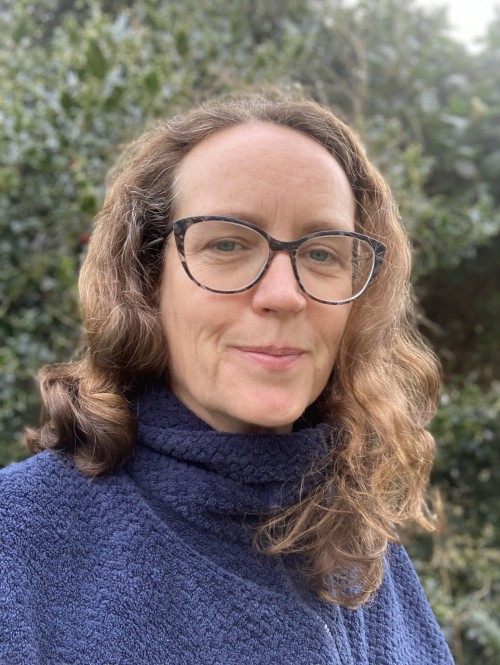
Clíona O’Carroll is a native of Cork city, Ireland, where she lectures in Folklore and Ethnology/Béaloideas in University College, Cork. She is Research Director (since 2010) with the Cork Folklore Project, a community-based centre for oral testimony that has collected and archived more than 900 ethnographic interviews exploring the everyday and the extraordinary in Cork’s past and present since its inception in 1996. Clíona has co-ordinated collection projects, radio productions, exhibitions and online digital memory-mapping projects with the CFP.
Most recently, she has been active in projects foregrounding oral testimony in the stimulation of public conversations on health, infectious disease and sustainability. A member of the SIEF Working Group on Archives, she is active in the development and promotion of archives of tradition.
Chaired by Nicolas Le Bigre, Elphinstone Institute, University of Aberdeen.
Log in to join the event online, only conference delegates will be able to join online.
The Elphinstone Institute has created a number of short films presenting practitioners of vernacular culture in North-East Scotland. Take a breather from the busy congress and watch films on Scots language, traditional foodways, folk narrative, migration, calendar customs, poetry, song, and music.
These short films will be running throughout the congress in KQG4, King's College Quad.
SIEF 2025 has invited scholars and practitioners to contribute to a ground breaking plenary keynote session, a live exploration of creative practice as research within the conference theme of Unwriting. This session seeks to spotlight arts-based methodologies, practice-led research, and the embodied knowledge that challenges conventional paradigms of text-based scholarship.
In keeping with the conference’s call to undo, redo, and reimagine the ways we create and communicate knowledge, this keynote will weave together several live practices into a dynamic performance-event. With contributions that demonstrate how creative and performative practices can engage with unwriting—whether through reflexivity, autoethnography, sensory methodologies, or embodied ways of knowing.
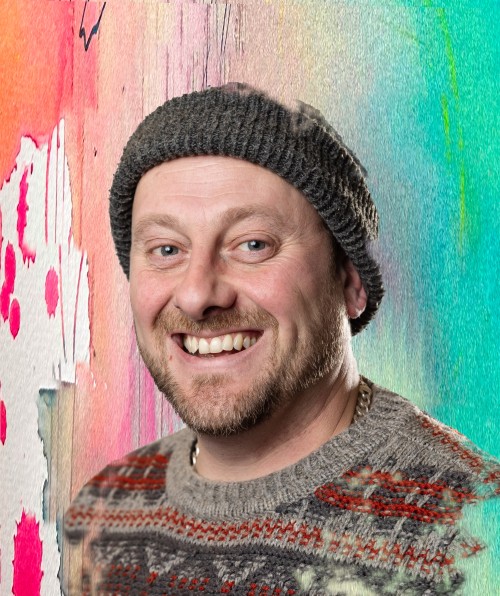 Dr Si Poole, is an Associate Professor of Cultural Education at the University of Chester, UK; He is a folklorist, trustee of the Mythstories museum and a Director and Researcher at the Centre for Research into Education, Creativity and Arts through Practice (RECAP). His work currently focuses on gardening in education, and as the founder and holder of the National Plant collection of Mentha, his work champions gardening as a creative praxis and considers what that means for communities; his research also covers a wide array of other creative praxes and pedagogies; walking methodologies; and the intercultural use of music; informal songwriting; and arts, and crafts, based initiatives. He has worked in 18 countries developing research initiatives and presenting interactive vocal performances, most recently as a Visiting Professor at Gothenburg University, Sweden. Si is also a published poet; Managing Director of Soil Records; and has written and released seven albums to critical acclaim - still singing and songwriting with 'the loose kites’ to this day.
Chaired by Sheila Young, Elphinstone Institute, University of Aberdeen
Performers in order of appearance:
Enzina Marrari - The Lost Biancheria - a lost/found linen project: An exploration of collective creative mourning through needle and thread.
Matthew Cheeseman - Writing the numbers, numbing the writing
Francisco Cruces Villalobos - Re-sounding the Poetics of Daily Life
Reza Bayat - Music and claiming the right to forget
Helen Nohgwe Yogo - Unwriting the Heart and Soul: A Sacred Chant of Rang-Rih
Katherine Borland - Standing Together
Zilia Balkansky-Sellés, Norma E Cantú - Recasting (unwriting?) Greek Goddesses and Classical Female Leads
Paul Cowdell - Second Impressions: What we make of what makes us folklorists
Kay Turner - Otherwise: Queer Scholarship into Song
Beatriz Herrera Corado
--
Log in to see the recording, only conference delegates will be able to see the recording.
Abstract:
This panel discussion explores the concept of "unwriting" as a means of revisiting and reshaping established narratives and power structures, particularly archival knowledge. It delves into how unsettling the archive and engaging in counter-archiving practices can empower marginalized voices and challenge hegemonic frameworks.
The session will further examine the potential of counter-narrating to foster more equitable representations of history, knowledge, and culture. Focusing on the question, among others, of "how can unwriting challenge notions of gender, genre, embodiment, affect, and performance". The discussion will ultimately ask how we can undo the power of writing that has traditionally defined "those who have only been written about."
Log in to see the recording, only conference delegates will be able to see the recorded events.
Plenary speakers (alphabetical order):
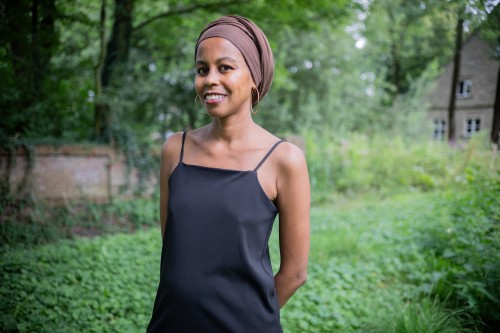 Fatin Abbas is a writer and scholar whose work lies at the intersection of African and Middle Eastern studies, literature, migration, gender and visual studies. She is the author of Ghost Season: A Novel (2023), set in the borderlands of Sudan and South Sudan, and the non-fiction collection Black Time: Essays on the Invisible (2025). She holds a PhD in Comparative Literature from Harvard University.
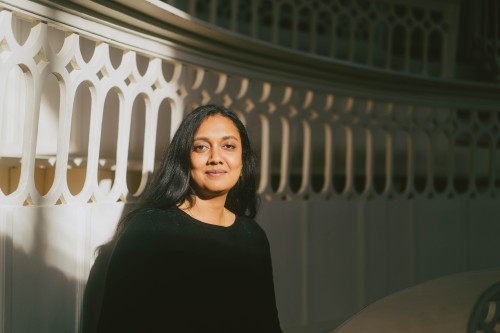 Silvy Chakkalakal has held the Chair of Popular Literatures and Media at the Department of Social Anthropology and Cultural Studies (ISEK) at the University of Zurich (UZH) since August 1, 2023. Until 2023, she was a board member of the Collaborative Research Center (SFB) 1512 "Intervening Arts," where she is currently involved in three subprojects. She is a member of the "Zentrum Künste und Kulturtheorie" (ZKK) and part of the program leadership of the Doctoral Laboratory "Epistemologies of Aesthetic Practices" at ZHdK, UZH, ETH, and Collegium Helveticum. She is an editor of Geschichte der Gegenwart. She is the author of “Indienliebe. Die frühe Ethnographie und ihre Bilder” (Kadmos 2024) and “Die Welt in Bildern” (Walltstein 2014). Her work is influenced by feminist, queer, and postcolonial theory.
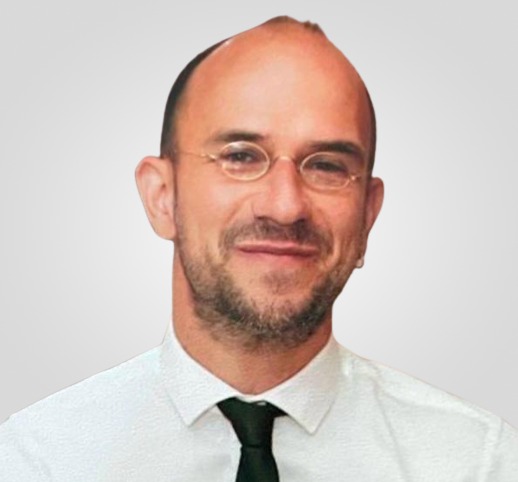 Todd Sekuler is Oberassistent in Popular Cultures at the Department of Social Anthropology and Cultural Studies of the University of Zürich. He holds a Master in Public Health from Columbia University's Mailman School of Public Health and a PhD in European Ethnology from Humboldt Universität zu Berlin. His current research engages with newly emerging objects from pre-Holocaust Jewish life in Tarnów, Poland, including a family film and photographic materials from a so-called race study by two anthropologists. Additional ongoing research themes include counter-memory, criminalisation, and alternative modes of knowledge production and ethnographic practice.
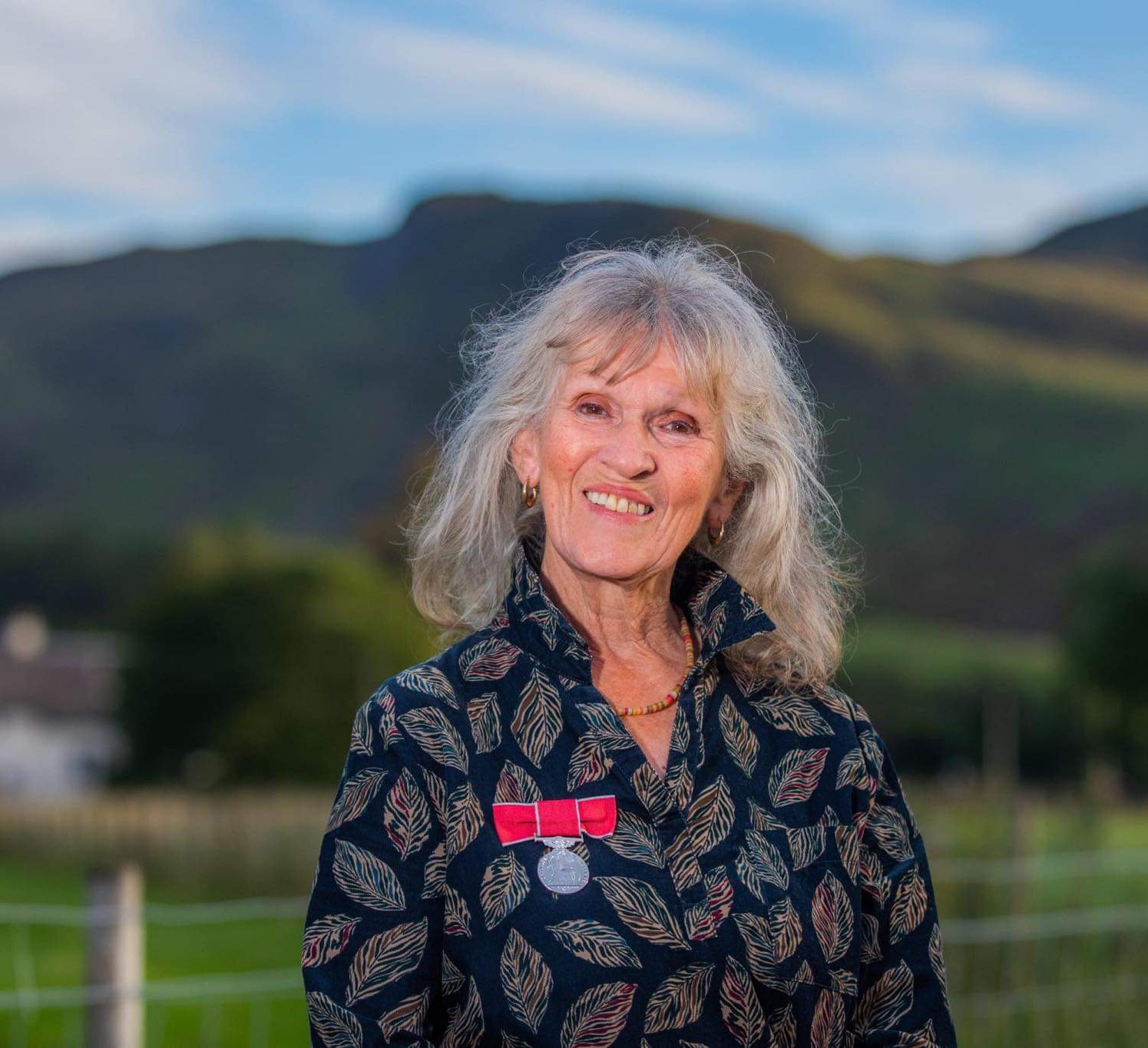 Jess Smith: Born into a Scottish Travelling family, at the age of five, my father acquired a single decker bus which served, for ten years, home to my parents and seven sisters. From those early years, my lived experience was close to nature and respect for the land.
At the age of fifty, I decided to follow a lifelong dream of becoming a writer of my culture. Three autobiographical books, one story book, a novel, a factual book on the treatment of Travellers through history. Latest book is a collection of voices featured in my journeys.
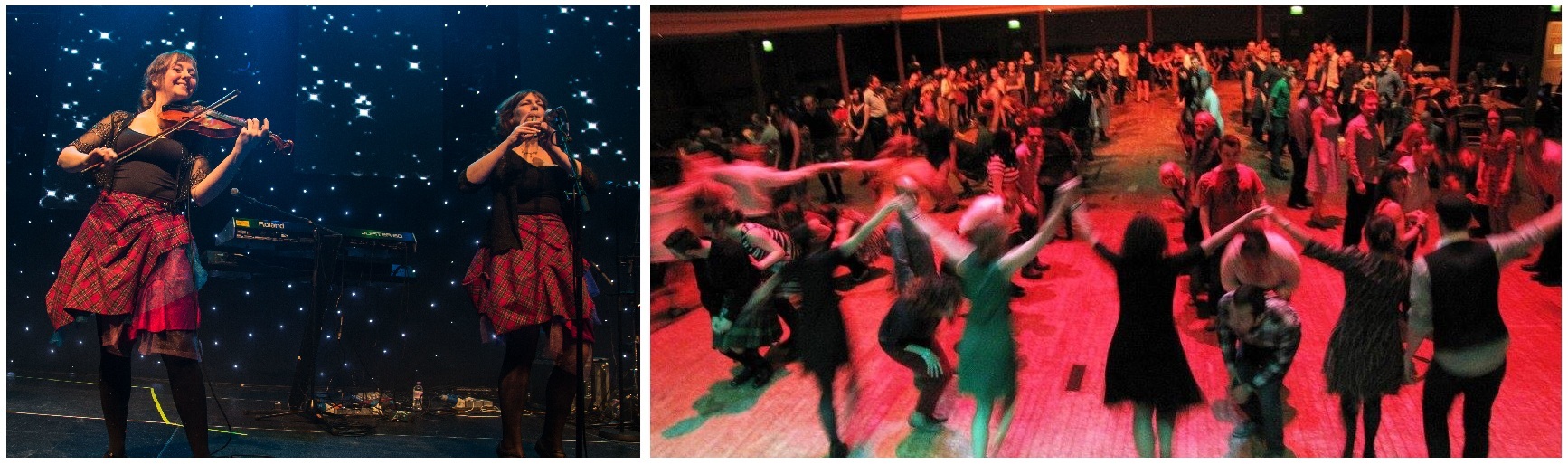
Join your colleagues for a rambunctious cèilidh dance and dinner at the Beach Ballroom, a stone's throw from the North Sea. With music by Aberdeen's all-female cèilidh band, Danse McCabre
Guests can arrive from 20:00 and enjoy a welcome drink. The bar will be open from then until 23:45. The music from Danse McCabre and dancing will begin shortly afterwards. When everyone has hopefully worked up an appetite, there will be a break in the dancing while dinner is served consisting of traditional cèilidh fare (haggis, neeps & tatties, with vegan and gluten-free options available). Then Danse McCabre will bring us us back to the dance floor for another hour of dancing.
Tickets are €42 and are available with your registration or by contacting the congress organisers: congress(at)siefhome.org

Our day begins with a visit to the magical Castle Fraser, west of Aberdeen, where you can explore the fairytale castle, its gardens, and grounds. You’ll have time to explore the castle interior, with informative guides in every room to answer your questions.
Then it’s on to lunch at Garlogie, a chance to relax with a sandwich, a cup of tea and a little traditional music in a typical Scottish rural village hall. Next stop: Dunnottar Castle, a spectacular coastal ruin perched on a promontory over the North Sea. From here, participants can either take the bus, or walk along the beautiful coastal path to the historic fishing village of Stonehaven, home of the spectacular New Year Fireball tradition.
In Stonehaven, you’ll have plenty of time to visit the Tolbooth Museum, the traditional harbour, a seafront walk, the famous Giulianotti’s Italian ice cream and sweetie shop, and find plenty of restaurants serving Scottish and many other cuisines. Don’t miss traditional fish and chips and don’t forget that Stonehaven is home to the original Deep Fried Mars Bar (surprisingly delicious, but make sure to share with at least three friends).
The tour departs Aberdeen at 09:00 and we will arrive in Stonehaven at around 17:15. Those who wish to return to Aberdeen early can catch one of the frequent buses or trains. Our tour buses will depart for Aberdeen at 21:00.
Itinerary:
09:00 Depart Aberdeen - Skene St
09:45 – 12:00 Castle Fraser
12:30 – 14:00 Lunch at Garlogie
14:30 – 16:30 Dunnottar Castle
16:30 Depart by bus (5 minutes), or walk (3km, 45 minutes)
17:15 – 21:00 Stonehaven
21:00 Depart Stonehaven
21:30 Arrive Aberdeen
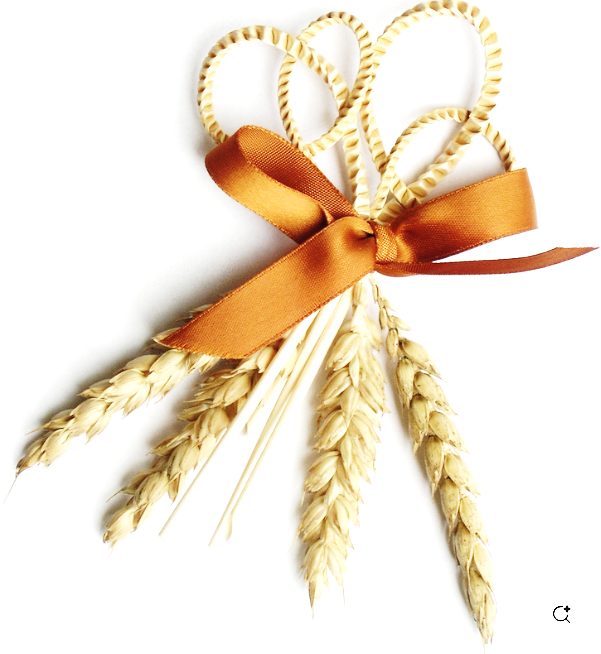
All delegates are invited to celebrate the 17th SIEF Congress with a drink and some nibbles at Elphinstone Hall.At the reception, you’ll get a chance to make a piece of traditional Scottish straw work in the company of craftswoman Elaine Lindsay. Elaine joined the Guild of Straw Craftsmen in 1989, achieving her Craftsman Award in 1999. She is a founding member of the Scottish Straw Workers, as well as a member of the US National Association of Wheat Weavers and the California Straw Arts Guild.