Timetable
Log in to star items.
Time zone: Europe/Warsaw
Centrum Inicjatyw Międzykulturowych Horyzonty (Horyzonty Intercultural Initiatives Centre)
is a non-profit organization based in Poznań, Poland.
We create educational, cultural, and community-based projects that promote
intercultural dialogue, social inclusion, solidarity, and active citizenship.
Through workshops, exchanges, festivals, and local initiatives, we connect
people from diverse backgrounds and support cooperation across cultures and
generations.
See more: https://cimhoryzonty.org/en/home-page/

PO-Dzielnia
PO-Dzielnia is a community-based sharing and
zero-waste centre in Poznań, Poland. Since 2018, it has been promoting
sustainable consumption, circular economy practices, and environmental
awareness through a free shop, educational activities, workshops, lectures, and
cultural events. By encouraging the reuse and repair of everyday items,
PO-Dzielnia helps reduce waste and strengthen local community ties.
See more: https://podzielnia.pl/in-english/
https://www.facebook.com/podzielnia/?locale=pl_PL https://www.instagram.com/podzielnia/

Badaczki i Badacze na Granicy
Researchers on the Border (Badaczki i Badacze na
Granicy) is an inter-university, interdisciplinary grassroots research network
established in 2021 in response to the humanitarian crisis on the
Polish–Belarusian border. Working within critical border studies and an
activist research approach, the group studies this irregularized migration
route and the impacts of the border regime.
See more: www.bbng.org
https://www.facebook.com/BadaczeiBadaczkiNaGranicy/

Stowarzyszenie Pracownia Etnograficzna / Ethnographic Laboratory Association
founded in 2006, is a non-profit applying ethnological
expertise to address social issues and promote cultural diversity. Through
participatory research, educational projects, open seminars, and international
training programs, SPE successfully disseminates knowledge, empowers local
groups, and bridges diverse communities.
See more: https://www.facebook.com/StowarzyszeniePracowniaEtnograficzna

Stowarzyszenie Jeden Świat - SCI Poland
is a non-governmental organization and a member of
Service Civil International (SCI), a global peace movement with over 100 years
of history. We promote peace, solidarity, human rights, intercultural dialogue,
and active citizenship through local and international volunteering, youth
exchanges, workcamps, educational workshops, and community-based initiatives.
Our activities connect local engagement with global perspectives and support
people in becoming active changemakers in their communities.
See more: https://jedenswiat.org.pl/en/jeden-swiat-sci-poland-eng/
https://www.facebook.com/StowarzyszenieJedenSwiat.SCI/?locale=pl_PL

Stowarzyszenie We Are Monitoring / We Are Monitoring Association
The We Are Monitoring Association is part of the
Granica Group coalition. Together with other organizations, informal
initiatives and local residents, we co-create a solidarity network of
humanitarian aid on the Polish-Belarusian border. Since 2021, we have been
working for human rights by collecting, analyzing and sharing data on the scale
of movement, provision of support, abuses of power and various forms of
violence, including institutional, experienced by people on the move. Our work
also aims to complement the public discourse on migration by creating a space
for expression for people whose rights to freedom of movement and seeking
safety have been denied.
See more: https://wearemonitoring.org.pl/en/home/

How Much Difference is Too Much? Political Anthropology from an Imperial Fault Line
Dace Dzenovska, University of Oxford
This talk draws on three decades of the anthropology of postsocialism and ethnographic research in emptying places in eastern Latvia to chart the reconfiguration of the political landscape after “the end of history.” Looking from the inter-imperial fault line between the European Union and Russia, I argue that twentieth-century imperial politics of inclusion—with all their constitutive exclusions—have been replaced by the equally imperial politics of separation, containment, and the moralization of difference. Across scales, at home and abroad, the rich are separated from the poor, and good is set apart from evil. Boundaries are policed and fortified. It is difficult to talk through walls or with someone one regards as evil. The differences are so stark that many fear they threaten the very foundations of polities and societies worldwide. Has the time of politics finally arrived, or is it the end of the world as we know it?
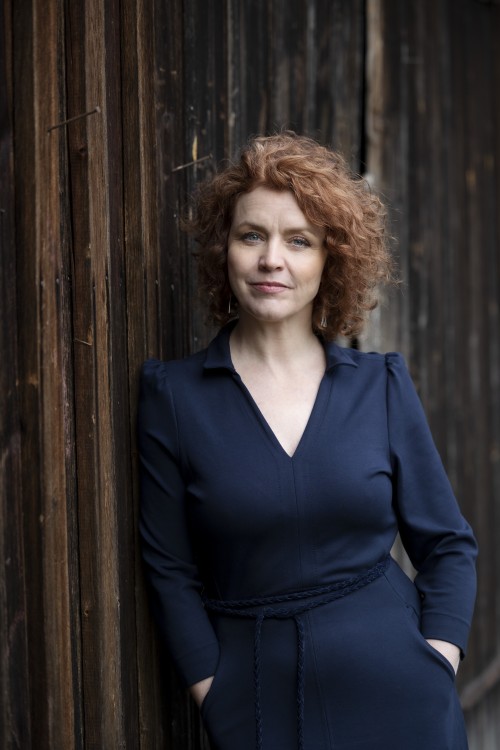 Dace Dzenovska is Associate Professor in Anthropology of Migration at the University of Oxford. She researches the changing relations between people, place, state, and capital in Eastern Europe and the former Soviet Union. She is the author of School of Europeanness: Tolerance and Other Lessons in Political Liberalism in Latvia (Cornell, 2018), and the lead author of Living Emptiness: Place, Power, and Meaning-Making from the Baltic to the Russian Far East (forthcoming with Stanford University Press, 2026). She is completing a book entitled Empires We Choose: Migration and Sovereignty in a Double Periphery for Cornell University Press. Her articles have appeared in American Ethnologist, Comparative Studies in Society and History, Social Anthropology, Cultural Anthropology, HAU: Journal of Ethnographic Theory, Slavic Review, Focaal, History and Anthropology, among others.
Centrum Inicjatyw Międzykulturowych Horyzonty (Horyzonty Intercultural Initiatives Centre)
is a non-profit organization based in Poznań, Poland.
We create educational, cultural, and community-based projects that promote
intercultural dialogue, social inclusion, solidarity, and active citizenship.
Through workshops, exchanges, festivals, and local initiatives, we connect
people from diverse backgrounds and support cooperation across cultures and
generations.
See more: https://cimhoryzonty.org/en/home-page/
PO-Dzielnia
PO-Dzielnia is a community-based sharing and
zero-waste centre in Poznań, Poland. Since 2018, it has been promoting
sustainable consumption, circular economy practices, and environmental
awareness through a free shop, educational activities, workshops, lectures, and
cultural events. By encouraging the reuse and repair of everyday items,
PO-Dzielnia helps reduce waste and strengthen local community ties.
See more: https://podzielnia.pl/in-english/
https://www.facebook.com/podzielnia/?locale=pl_PL https://www.instagram.com/podzielnia/
Badaczki i Badacze na Granicy
Researchers on the Border (Badaczki i Badacze na
Granicy) is an inter-university, interdisciplinary grassroots research network
established in 2021 in response to the humanitarian crisis on the
Polish–Belarusian border. Working within critical border studies and an
activist research approach, the group studies this irregularized migration
route and the impacts of the border regime.
See more: www.bbng.org
https://www.facebook.com/BadaczeiBadaczkiNaGranicy/
Stowarzyszenie Pracownia Etnograficzna / Ethnographic Laboratory Association
founded in 2006, is a non-profit applying ethnological
expertise to address social issues and promote cultural diversity. Through
participatory research, educational projects, open seminars, and international
training programs, SPE successfully disseminates knowledge, empowers local
groups, and bridges diverse communities.
See more: https://www.facebook.com/StowarzyszeniePracowniaEtnograficzna
Stowarzyszenie Jeden Świat - SCI Poland
is a non-governmental organization and a member of
Service Civil International (SCI), a global peace movement with over 100 years
of history. We promote peace, solidarity, human rights, intercultural dialogue,
and active citizenship through local and international volunteering, youth
exchanges, workcamps, educational workshops, and community-based initiatives.
Our activities connect local engagement with global perspectives and support
people in becoming active changemakers in their communities.
See more: https://jedenswiat.org.pl/en/jeden-swiat-sci-poland-eng/
https://www.facebook.com/StowarzyszenieJedenSwiat.SCI/?locale=pl_PL
Stowarzyszenie We Are Monitoring / We Are Monitoring Association
The We Are Monitoring Association is part of the
Granica Group coalition. Together with other organizations, informal
initiatives and local residents, we co-create a solidarity network of
humanitarian aid on the Polish-Belarusian border. Since 2021, we have been
working for human rights by collecting, analyzing and sharing data on the scale
of movement, provision of support, abuses of power and various forms of
violence, including institutional, experienced by people on the move. Our work
also aims to complement the public discourse on migration by creating a space
for expression for people whose rights to freedom of movement and seeking
safety have been denied.
See more: https://wearemonitoring.org.pl/en/home/
Beyond Borders: Human Connection Through Volunteering
The aim of the workshop is to promote solidarity,
intercultural understanding, and community engagement in an increasingly
polarized world.
By activities conducted in this meeting we would like
to:
- explore how volunteering can foster empathy,
solidarity, and meaningful connections across cultural differences.
- encourage participants to recognize and challenge
stereotypes and assumptions in order to develop a more open and empathetic
understanding of others.
- experience and reflect on how collaboration can still happen even when communication is imperfect or restricted.
https://forms.cloud.microsoft/e/B4DA3pqbpg

Centrum Inicjatyw Międzykulturowych Horyzonty (Horyzonty Intercultural Initiatives Centre)
is a non-profit organization based in Poznań, Poland.
We create educational, cultural, and community-based projects that promote
intercultural dialogue, social inclusion, solidarity, and active citizenship.
Through workshops, exchanges, festivals, and local initiatives, we connect
people from diverse backgrounds and support cooperation across cultures and
generations.
See more: https://cimhoryzonty.org/en/home-page/
Anthropology in a Polarised World
We are witnessing an acceleration in the polarisation of communities, opinions and markets across the globe — and academia is no exception. As anthropologists, we have long emphasised the complexity and nuances of our interconnected, messy world. What role should our discipline and our research play today? Can we help create a world that is less divided and conflict-ridden? During the plenary session, we will explore how our discipline can approach polarisation with curiosity and care while acknowledging genuine differences and the various interests of different groups. We will also address the recurring theme of anthropologists’ engagement, the translation of ideas, facilitating encounters, and bearing witness to conflict in a polarised world. In this unstable environment, we will consider whether our methods and ways of thinking could foster healing and dialogue.
Guest speakers
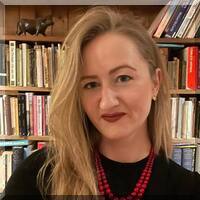
Gwen Burnyeat is Lecturer (Assistant Professor) in Social Anthropology at the School of Social and Political Science, University of Edinburgh, and PI of ERC-selected Starting Grant project “Stories of Divides Politics: Polarisation and Bridgebuilding in Colombia and Britain”, guarantee-funded by UKRI, which studies the people and organisations trying to build bridges across complex political divides in both countries. She was awarded the 2023 Public Anthropologist Award for her latest book, The Face of Peace: Government Pedagogy amid Disinformation in Colombia (University of Chicago Press 2022 and Spanish translation Editorial del Rosario 2024). She is also a writer, and uses fiction and narrative to explore the human experiences of political processes. Her creative work has appeared in Critical Muslim, The Dublin Review, Otherwise Magazine, Flash Fiction Magazine, and elsewhere.
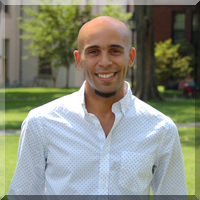
Myles Lennon is an environmental anthropologist, a former energy policy practitioner, and Dean’s Associate Professor of Environment and Society and Anthropology at Brown University. He conducts ethnographic research on solar energy deployment, forestry, and agricultural land stewardship in both urban and rural communities of colour in the United States. His research has been supported by the US National Science Foundation, the Ford Foundation, and the Wenner-Gren Foundation. His first book, Subjects of the Sun: Solar Energy in the Shadows of Racial Capitalism(Duke University Press 2025) was a finalist for the 2025 Julian Steward Prize for best environmental anthropology monograph awarded by the American Anthropological Association.
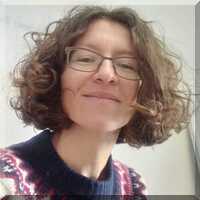
Luminiţa-Anda Mandache is a political and applied ethnographer examining how liberal ideals of autonomy and rights transform political cultures in communities marked by profound inequalities. Working in urban peripheries across Brazil, her work traces how non-governmental organizations and progressive movements become sites where new forms of collective morality, reproductive politics, and claims to (urban) rights are forged, reshaping what political engagement means in practice. Her work examined the local implications and potential of solidarity economy projects in transforming marginalized communities, youth citizenship, preference for female voluntary sterilization among low-income women and currently how poverty-reduction policies and class aspirations shape the reproductive plans of low-income women in Brazil. She is currently a visiting scholar at the University of Salzburg.
Highlights of Poznań
Wednesday 17:30
Thursday 19:30
Friday 17:30
The city walks are funded by the City of Poznań. Places are limited to 25
participants per tour. To sign up, please visit the Registration Desk.
Starting point: Adam Mickiewicz Square
Discover the highlights of Poznań on a fascinating walk through the city’s most iconic landmarks, with a special focus on its rich 19th- and 20th-century history.
The tour begins in the Imperial District, created at the beginning of the 20th century, where impressive architecture tells the story of Poznań under Prussian rule. Here you will see the monumental Imperial Castle, the Opera House, and historic university buildings surrounding Adam Mickiewicz Square.
The walk continues through Freedom Square, lined with elegant 19th-century architecture, including the famous Bazar Hotel, the Raczyński Library, and the National Museum. Along the way, participants will learn about the “longest war of modern Europe” – the remarkable struggle of the Polish population to preserve its identity and culture without armed conflict.
The tour ends at Poznań’s Old Market Square, considered one of the most beautiful in Poland, with its magnificent 16th-century Town Hall and charming colorful merchant houses.
This walk is a perfect introduction to the history, architecture, and unique atmosphere of Poznań.
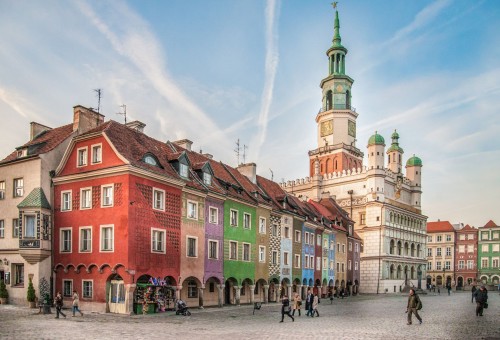
Author: Jakub Pindych
The Women of Poznań
Wednesday 17:30
Thursday 19:30
Friday 17:30
The city walks are funded by the City of Poznań. Places are limited to 25
participants per tour. To sign up, please visit the Registration Desk.
Starting point: Grand Theatre (Opera House), Fredry Street
Discover Jeżyce – one of Poznań’s most vibrant and atmospheric districts – through the stories of the remarkable women who lived and worked here.
Famous for its beautiful Art Nouveau architecture and lively cultural spirit, Jeżyce has long been home to inspiring women who shaped the social, cultural, and intellectual life of the city. During the walk, you will meet writers, a doctor, a nurse, and an actress whose lives and achievements left a lasting mark on Poznań.
The tour will also explore important historical events connected with Jeżyce, including the settlement of the Bamberg colonists and the first workers’ protest in Poland against the communist authorities. Along the way, you will discover the important and often overlooked role women played in these moments of history.
Combining fascinating biographies, local history, and the charm of Jeżyce’s historic streets, this tour offers a unique perspective on Poznań and its extraordinary women.
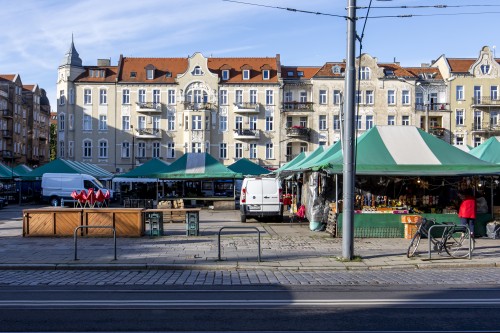
Author: Adam Ciereszko
Prehistoric Poznań
Wednesday 18:30
Thursday 19:30
Friday 17:30
The city walks are funded by the City of Poznań. Places are limited to 25
participants per tour. To sign up, please visit the Registration Desk.
Starting point: Amphitheatre at the KontenerArt
Travel back thousands of years to discover the prehistoric roots of the Poznań region. This walk explores the fascinating story of the first inhabitants of Greater Poland – from Western hunter-gatherers and the arrival of Neolithic farmers to the spread of Indo-European cultures such as the Yamnaya and Corded Ware cultures.
You will learn how archaeology and ancient DNA research help reconstruct the lives, migrations, and beliefs of prehistoric communities, including the builders of megalithic tombs discovered in the region. The tour also presents how these early populations shaped the genetic and cultural heritage of present-day inhabitants of Poznań and Greater Poland.
Set on Ostrów Tumski – the historical heart of Poznań and one of the oldest settlement areas in Poland – this walk combines archaeology, anthropology, and history in a unique introduction to the deep past of the region.
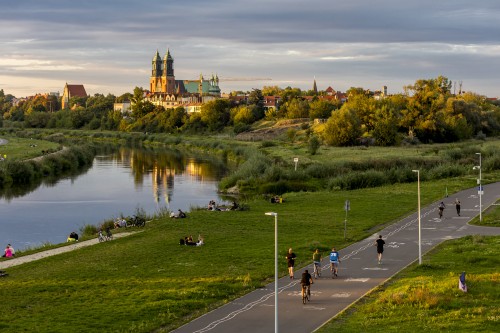
Author:
Adam Ciereszko
Island in the Net - Digital Culture in Post-Castro Cuba
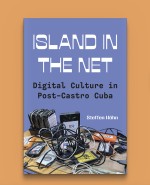
Cuba is living through a digital revolution, and it looks nothing like Silicon Valley. In Island in the Net (Princeton University Press 2026), Steffen Köhn traces how Cubans built their own internet from the ground up, through flash drives, black markets, and grassroots networks, culminating in the social media–fueled protests of July 2021, showing how access to digital technology has fundamentally altered the dynamics between citizens and an authoritarian state.
At EASA2026, Steffen Köhn and Ruxandra Ana will discuss the book in light of Cuba's current existential crisis: prolonged blackouts, fuel shortages, and tever increasing pressure from the U.S., and ask what digital culture and community-driven connectivity mean when the lights go out. The talk will take place at ROZBRAT - Social center of alternative culture, Poznan’s longest-running squat.
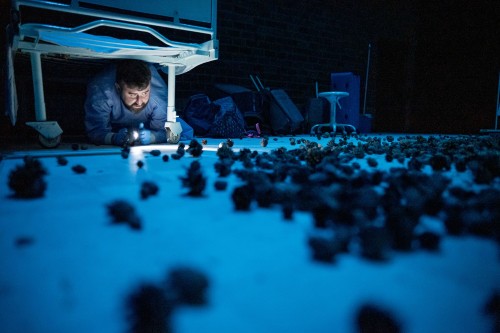
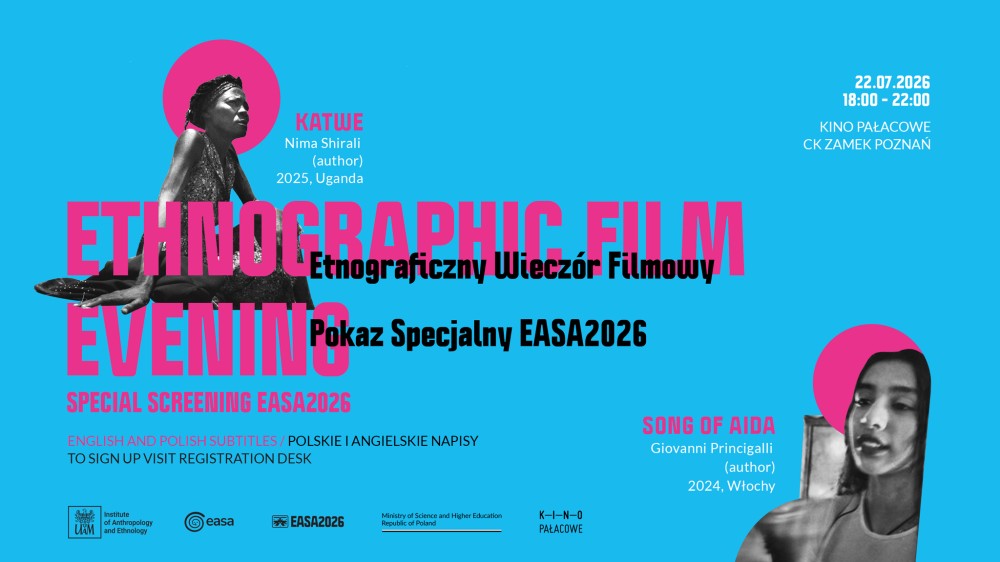
The screening will feature a Q&A session with the members of the "Katwe" and "The Song of Aida" film crews, hosted by Michał Garapich."Ethnographic Film Evening - Special Screening EASA2026" has been created in collaboration with CK ZAMEK (Castle Cultural Centre) to encourage Poznań’s residents to engage with ethnographic films (there will be subtitles both in English and Polish). Seating is limited, to sign up, please visit the Registration Desk.
Highlights of Poznań
Wednesday 17:30
Thursday 19:30
Friday 17:30
The city walks are funded by the City of Poznań. Places are limited to 25 participants per tour. To sign up, please visit the Registration Desk.
Starting point: Adam Mickiewicz Square
Discover the highlights of Poznań on a fascinating walk through the city’s most iconic landmarks, with a special focus on its rich 19th- and 20th-century history.
The tour begins in the Imperial District, created at the beginning of the 20th century, where impressive architecture tells the story of Poznań under Prussian rule. Here you will see the monumental Imperial Castle, the Opera House, and historic university buildings surrounding Adam Mickiewicz Square.
The walk continues through Freedom Square, lined with elegant 19th-century architecture, including the famous Bazar Hotel, the Raczyński Library, and the National Museum. Along the way, participants will learn about the “longest war of modern Europe” – the remarkable struggle of the Polish population to preserve its identity and culture without armed conflict.
The tour ends at Poznań’s Old Market Square, considered one of the most beautiful in Poland, with its magnificent 16th-century Town Hall and charming colorful merchant houses.
This walk is a perfect introduction to the history, architecture, and unique atmosphere of Poznań.
Author: Jakub Pindych
The Women of Poznań
Wednesday 17:30
Thursday 19:30
Friday 17:30
The city walks are funded by the City of Poznań. Places are limited to 25 participants per tour. To sign up, please visit the Registration Desk.
Starting point: Grand Theatre (Opera House), Fredry Street
Discover Jeżyce – one of Poznań’s most vibrant and atmospheric districts – through the stories of the remarkable women who lived and worked here.
Famous for its beautiful Art Nouveau architecture and lively cultural spirit, Jeżyce has long been home to inspiring women who shaped the social, cultural, and intellectual life of the city. During the walk, you will meet writers, a doctor, a nurse, and an actress whose lives and achievements left a lasting mark on Poznań.
The tour will also explore important historical events connected with Jeżyce, including the settlement of the Bamberg colonists and the first workers’ protest in Poland against the communist authorities. Along the way, you will discover the important and often overlooked role women played in these moments of history.
Combining fascinating biographies, local history, and the charm of Jeżyce’s historic streets, this tour offers a unique perspective on Poznań and its extraordinary women.
Author: Adam Ciereszko
Prehistoric Poznań
Wednesday 18:30
Thursday 19:30
Friday 17:30
The city walks are funded by the City of Poznań. Places are limited to 25 participants per tour. To sign up, please visit the Registration Desk.
Starting point: Amphitheatre at the KontenerArt
Travel back thousands of years to discover the prehistoric roots of the Poznań region. This walk explores the fascinating story of the first inhabitants of Greater Poland – from Western hunter-gatherers and the arrival of Neolithic farmers to the spread of Indo-European cultures such as the Yamnaya and Corded Ware cultures.
You will learn how archaeology and ancient DNA research help reconstruct the lives, migrations, and beliefs of prehistoric communities, including the builders of megalithic tombs discovered in the region. The tour also presents how these early populations shaped the genetic and cultural heritage of present-day inhabitants of Poznań and Greater Poland.
Set on Ostrów Tumski – the historical heart of Poznań and one of the oldest settlement areas in Poland – this walk combines archaeology, anthropology, and history in a unique introduction to the deep past of the region.
Author:
Adam Ciereszko
Centrum Inicjatyw Międzykulturowych Horyzonty (Horyzonty Intercultural Initiatives Centre)
is a non-profit organization based in Poznań, Poland.
We create educational, cultural, and community-based projects that promote
intercultural dialogue, social inclusion, solidarity, and active citizenship.
Through workshops, exchanges, festivals, and local initiatives, we connect
people from diverse backgrounds and support cooperation across cultures and
generations.
See more: https://cimhoryzonty.org/en/home-page/
PO-Dzielnia
PO-Dzielnia is a community-based sharing and
zero-waste centre in Poznań, Poland. Since 2018, it has been promoting
sustainable consumption, circular economy practices, and environmental
awareness through a free shop, educational activities, workshops, lectures, and
cultural events. By encouraging the reuse and repair of everyday items,
PO-Dzielnia helps reduce waste and strengthen local community ties.
See more: https://podzielnia.pl/in-english/
https://www.facebook.com/podzielnia/?locale=pl_PL https://www.instagram.com/podzielnia/
Badaczki i Badacze na Granicy
Researchers on the Border (Badaczki i Badacze na
Granicy) is an inter-university, interdisciplinary grassroots research network
established in 2021 in response to the humanitarian crisis on the
Polish–Belarusian border. Working within critical border studies and an
activist research approach, the group studies this irregularized migration
route and the impacts of the border regime.
See more: www.bbng.org
https://www.facebook.com/BadaczeiBadaczkiNaGranicy/
Stowarzyszenie Pracownia Etnograficzna / Ethnographic Laboratory Association
founded in 2006, is a non-profit applying ethnological
expertise to address social issues and promote cultural diversity. Through
participatory research, educational projects, open seminars, and international
training programs, SPE successfully disseminates knowledge, empowers local
groups, and bridges diverse communities.
See more: https://www.facebook.com/StowarzyszeniePracowniaEtnograficzna
Stowarzyszenie Jeden Świat - SCI Poland
is a non-governmental organization and a member of
Service Civil International (SCI), a global peace movement with over 100 years
of history. We promote peace, solidarity, human rights, intercultural dialogue,
and active citizenship through local and international volunteering, youth
exchanges, workcamps, educational workshops, and community-based initiatives.
Our activities connect local engagement with global perspectives and support
people in becoming active changemakers in their communities.
See more: https://jedenswiat.org.pl/en/jeden-swiat-sci-poland-eng/
https://www.facebook.com/StowarzyszenieJedenSwiat.SCI/?locale=pl_PL
Stowarzyszenie We Are Monitoring / We Are Monitoring Association
The We Are Monitoring Association is part of the
Granica Group coalition. Together with other organizations, informal
initiatives and local residents, we co-create a solidarity network of
humanitarian aid on the Polish-Belarusian border. Since 2021, we have been
working for human rights by collecting, analyzing and sharing data on the scale
of movement, provision of support, abuses of power and various forms of
violence, including institutional, experienced by people on the move. Our work
also aims to complement the public discourse on migration by creating a space
for expression for people whose rights to freedom of movement and seeking
safety have been denied.
See more: https://wearemonitoring.org.pl/en/home/
Countermapping the Borderscape. Methodological Reflections from the Polish–Belarusian Border
This workshop invites participants to engage with an interactive counter-map of the Polish–Belarusian borderscape. Developed through activist documentation and research conducted since the onset of the humanitarian crisis, the map draws on the methodology of counter-mapping. Rather than reproducing exact locations, it foregrounds the mechanisms of violence, regimes of control, and the everyday experiences of people on the move.
Through collaborative group work and collective discussion, participants will use the map to reconstruct and analyse the situation at the Polish–Belarusian border, focusing on material infrastructures, specific sites, and practices of violence, resistance, and contestation. The session will also provide space for critical reflection on the possibilities and limitations of counter-mapping as a methodological approach. Particular attention will be given to the intersections of research and activism, ethical challenges of knowledge production, and complementary methods that can support engaged forms of inquiry.
Badaczki i Badacze na Granicy
Researchers on the Border (Badaczki i Badacze na Granicy) is an inter-university, interdisciplinary grassroots research network established in 2021 in response to the humanitarian crisis on the Polish–Belarusian border. Working within critical border studies and an activist research approach, the group studies this irregularized migration route and the impacts of the border regime.
See more: www.bbng.org
https://www.facebook.com/BadaczeiBadaczkiNaGranicy/
Gradhiva. Journal of Anthropology and Histories of Arts
Discussion with the editor, Benoît de L’Estoile, Director of Research and Higher Teaching at Musée du quai Branly, Paris
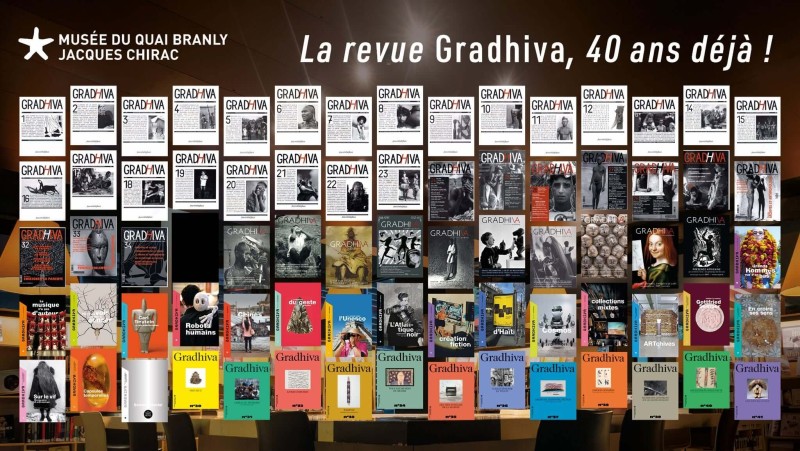
Gradhiva is an international Journal dedicated to Anthropology and Histories of Arts, published by the Musée du quai Branly - Jacques Chirac. it is published in French, but some issues are also published online in English.
This session, at the occasion of the 40th anniversary of Gradhiva (which started in 1986) and the 20 years of the Musée du quai Branly (open in 2006). It will offer an opportuity for readers and potential authors to meet the editor.
Since 2005, the journal has been published by the musée du quai Branly in Paris, and has been dedicated to the study of arts in the widest possible sense of the term : it explores all forms of production and practices that are subjected to judgments of an aesthetic character, as well as the contexts or fields in which these forms of production and practices move about. Dedicated equally to non-European and Western arts, the journal is open to various disciplines : anthropology, art history, history, sociology, literary studies, and musicology. Finally, the journal strives to develop, through a singular and often unprecedented iconography, an interaction between text and image. Originally created in 1986 by Michel Leiris and Jean Jamin as a support for the history and archives of anthropology, Gradhiva became a leading journal bridging anthropological, art historical and visual studies.
Editors-in-Chief: Julien Bondaz, Olivia Bourrat, Benoît de L’Estoile, Nélia Dias
Editorial Board: Emma Aubin-Boltanski, Christine Barthe, Julien Bondaz, Baptiste Brun, Teresa Castro, Michèle Coquet, Vincent Debaene, Pierre Déléage, Emmanuel Grimaud, Christine Guillebaud, Monique Jeudy-Ballini, Frédéric Keck, Sarah Frioux-Salgas, Denis Laborde, Rémi Labrusse, Anne Lafont, Anne-Christine Taylor
Editorial Coordination: Maïra Muchnik
What's at Stake? Anthropology, AI, and Pluriversal Futures
There are arguably few paradigms in the history of technology that have stirred as intense a global uproar as Artificial Intelligence has unleashed in the last decade. A loose signifier of technical advances in self-learning systems designed as “deep neural networks” inspired by the human brain, AI is expanding across various fields of activities that anthropologists have long taken as sites of ethnographic and theoretical inquiry. Importantly, alongside actual instances of technology use and adoption, AI also comes with a thick cloud of speculation, especially about the imminence of “artificial general intelligence” (AGI) that is purported to overpower humans with self-guided goals. Will AI overtake humans with its uncontrollable agencies? Will this be the end of humanity as we know it?
The plenary discussion will take up this twinning of speculation and concrete application as an indelible feature of AI, raising questions about how we might make sense of the AI present. Compared to other disciplines, anthropologists are uniquely positioned to probe AI as sociocultural assemblages that expand within specific contexts of adoption and value regimes, challenging linear accounts of technological advancement and the dystopian-utopian binary.
Reflecting upon different aspects of AI that anthropologists have thematized in their work, the plenary will probe anthropology’s stake in defining the future course of AI and AI’s stake in defining the future of our discipline. Can anthropological scholarship on human-more-than-human entanglements and pluriversal ontologies offer critical pathways and ethical frames to recast AI? Within our disciplinary practice, how do we calibrate our methodological perspectives as AI expands as epistemic devices and how do we redefine our pedagogical techniques as students become some of the most voracious adopters of AI applications?
Speakers

Dr. Yichen Rao is an Assistant Professor of Cultural Anthropology at Utrecht University and the China AI Lead at the Inclusive AI Lab. He graduated from the University of Hong Kong and has held research fellowships at MIT, the University of Michigan, and the University of Vienna. From 2024 to 2027, he serves as a council member of the Society for Social Studies of Science (4S). He published extensively on topics related to how digital and AI infrastructures, online scams, fintech systems, and gaming cultures reshape economic life, moral worlds, and social relations in global China. He is starting a new project on how Chinese AI eco-systems impact global capitalist cultures and complicate the understanding of digital sovereignty.
Mark Allen Peterson is Professor of Anthropology at Miami University, with affiliate appointments in International Studies, and Emerging Technologies in Business + Design. A leading scholar in media anthropology, his research examines digital transformation, gaming cultures, semiotics, and technological change across South Asia, the Middle East, and the United States. He has published more than forty academic papers, and authored or edited several books including COVID Semiotics (2025), Connected In Cairo (2011), and Anthropology and Mass Communication (2003).
Ana Ivasiuc is a social anthropologist carrying out research on formal and informal policing of Roma, far-right vigilantism, racialisation, urban insecurity, and - more recently - technofascism. She is currently teaching at University College Dublin, and serving as Vice-President of the European Association of Social Anthropologists. In 2023, she was elected President of the association. She is a member of the PrecAnthro collective and a member of the editorial team of Conflict and Society.

Dr. Sophia Goodfriend is an anthropologist whose research examines the impact of automation on military conflict. She is currently the Harry F. Guggenheim Research Fellow at Pembroke College. Her first academic book project is an ethnographic account of how Artificial Intelligence (AI) has impacted what it means to wage and live with war in Israel and Palestine. Alongside her academic work, Dr. Goodfriend works as a writer and civil society consultant. Her popular writing has appeared in the London Review of Books, the New York Review of Books, Foreign Policy, the Boston Review, the Baffler, 972 Magazine, and Jewish Currents, among other publications. Dr. Goodfriend received her PhD in cultural anthropology from Duke University and was previously a research fellow at the Harvard Kennedy School’s Middle East Initiative.
This plenary is chaired and moderated by Hayal Akarsu (EASA President, Utrecht University), and organised by Ana Ivasiuc (on behalf of the exec) and Sahana Udupa.
Hayal Akarsu is President of the European Association of Social Anthropologists (EASA) and Assistant Professor of Cultural Anthropology at Utrecht University. She received her PhD from the University of Arizona and her MA from New York University, and previously held a fellowship at the Crown Center for Middle East Studies at Brandeis University. She is currently completing her book manuscript, Force Experts: Afterlives of Police Reforms in Turkey, which threads together transnational security networks and everyday policing to argue that reform is itself a security technology. She also runs two active research projects: Warfare Ecologies, which examines the ecological costs of war and conflict, and Orbital Politics, which follows satellite technologies as sites where astropolitics and geopolitics converge, asking who controls the sky and to what ends. Her work has appeared in American Ethnologist, American Anthropologist, and Society and Space, and she serves as Associate Editor of PoLAR: Political and Legal Anthropology Review.
Highlights of Poznań
Wednesday 17:30
Thursday 19:30
Friday 17:30
The city walks are funded by the City of Poznań. Places are limited to 25 participants per tour. To sign up, please visit the Registration Desk.
Starting point: Adam Mickiewicz Square
Discover the highlights of Poznań on a fascinating walk through the city’s most iconic landmarks, with a special focus on its rich 19th- and 20th-century history.
The tour begins in the Imperial District, created at the beginning of the 20th century, where impressive architecture tells the story of Poznań under Prussian rule. Here you will see the monumental Imperial Castle, the Opera House, and historic university buildings surrounding Adam Mickiewicz Square.
The walk continues through Freedom Square, lined with elegant 19th-century architecture, including the famous Bazar Hotel, the Raczyński Library, and the National Museum. Along the way, participants will learn about the “longest war of modern Europe” – the remarkable struggle of the Polish population to preserve its identity and culture without armed conflict.
The tour ends at Poznań’s Old Market Square, considered one of the most beautiful in Poland, with its magnificent 16th-century Town Hall and charming colorful merchant houses.
This walk is a perfect introduction to the history, architecture, and unique atmosphere of Poznań.
Author: Jakub Pindych
The Women of Poznań
Wednesday 17:30
Thursday 19:30
Friday 17:30
The city walks are funded by the City of Poznań. Places are limited to 25 participants per tour. To sign up, please visit the Registration Desk.
Starting point: Grand Theatre (Opera House), Fredry Street
Discover Jeżyce – one of Poznań’s most vibrant and atmospheric districts – through the stories of the remarkable women who lived and worked here.
Famous for its beautiful Art Nouveau architecture and lively cultural spirit, Jeżyce has long been home to inspiring women who shaped the social, cultural, and intellectual life of the city. During the walk, you will meet writers, a doctor, a nurse, and an actress whose lives and achievements left a lasting mark on Poznań.
The tour will also explore important historical events connected with Jeżyce, including the settlement of the Bamberg colonists and the first workers’ protest in Poland against the communist authorities. Along the way, you will discover the important and often overlooked role women played in these moments of history.
Combining fascinating biographies, local history, and the charm of Jeżyce’s historic streets, this tour offers a unique perspective on Poznań and its extraordinary women.
Author: Adam Ciereszko
Prehistoric Poznań
Wednesday 18:30
Thursday 19:30
Friday 17:30
The city walks are funded by the City of Poznań. Places are limited to 25 participants per tour. To sign up, please visit the Registration Desk.
Starting point: Amphitheatre at the KontenerArt
Travel back thousands of years to discover the prehistoric roots of the Poznań region. This walk explores the fascinating story of the first inhabitants of Greater Poland – from Western hunter-gatherers and the arrival of Neolithic farmers to the spread of Indo-European cultures such as the Yamnaya and Corded Ware cultures.
You will learn how archaeology and ancient DNA research help reconstruct the lives, migrations, and beliefs of prehistoric communities, including the builders of megalithic tombs discovered in the region. The tour also presents how these early populations shaped the genetic and cultural heritage of present-day inhabitants of Poznań and Greater Poland.
Set on Ostrów Tumski – the historical heart of Poznań and one of the oldest settlement areas in Poland – this walk combines archaeology, anthropology, and history in a unique introduction to the deep past of the region.
Author:
Adam Ciereszko
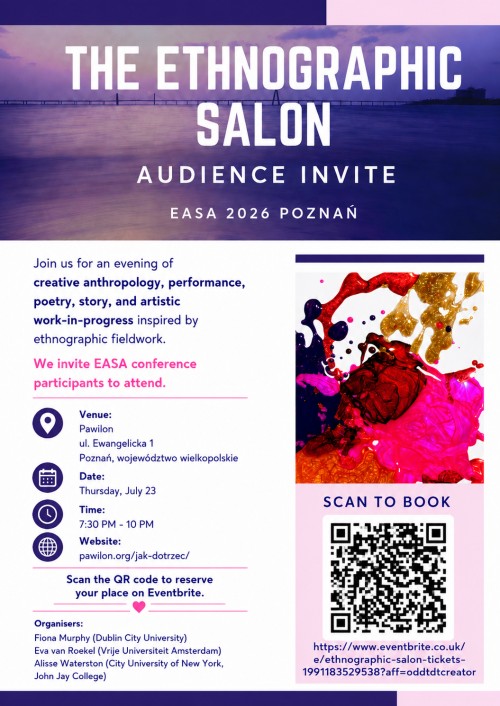
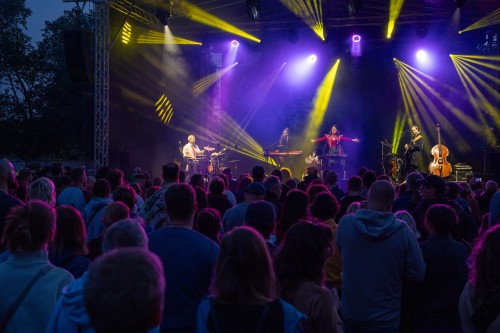
The Local Committee and the City of Poznań are delighted to offer this free outdoor concert, thematically tailored to EASA2026! The concert is sponsored as part of the Poznań Civic Fund.
Rusałka Lake is an artificial reservoir located within city limits: it is a location which holds many often painful stories They can be experienced while walking around Rusałka with the ŁAPP Poznań app, and the website provides more information on the lake’s history.
Schedule
19:30 Anastasia Rydlevskaya
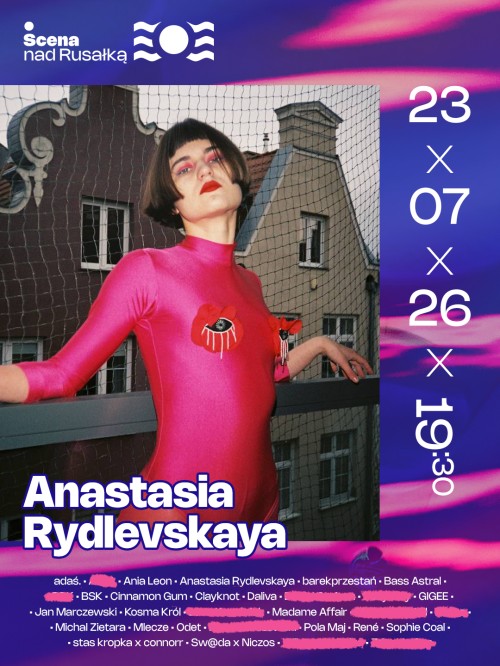
A Belarusian multidisciplinary artist based in Gdańsk, whose work blurs the lines between music, visual arts, and performance. Since launching her music career in 2023, she has released three albums—"When I Can’t Speak," "Mugwort," and "Snake Charmer"—which have collectively surpassed one million streams on digital platforms.
Her sound fuses the energy of electronic pop with indie elements, interwoven with Belarusian pagan roots, folkloric textures, and deeply personal lyricism. Songs like "Dance on My Own" (over 600,000 streams) and "Rainbow Serpent" (over 100,000 streams) have established her as an artist who speaks of independence, sensuality, and uncompromising honesty.
But Rydlevskaya's work transcends sound. She is also a renowned visual artist, known for her masks, embroidered objects, and large-scale installations presented in Poland, Germany, France, Spain, Lithuania, and Switzerland. In 2025, her work became part of Warsaw Gallery Weekend, and her objects and performances shaped the set of the REFASHIONED fashion show. She was also featured in Wysokie Obcasy magazine and presented an exhibition (Divny Sad) and a concert (Snake Charmer) at the Retroperspektywy festival in Łódź.
On stage, Anastasia transforms concerts into ritual journeys. Her performances are immersive experiences in which voice, electronics, and visual art merge into one. From intimate shows in Warsaw and Poznań, to festival stages at Sea You in Gdańsk and Stereolux in Nantes, she has earned a reputation for creating hypnotic and liberating spaces.
Her path was far from ordinary: from childhood in Ohio, through adolescence in Minsk under political repression, to finding creative refuge in Poland. Rydlevskaya has transformed her biography into raw artistic material. Each project is an act of survival and transformation.
Today, Anastasia Rydlevskaya is one of the most expressive new voices on the Eastern European scene – a true snake charmer who transforms fear into beauty, pain into ritual, and sound into living vision.
IG ➝ instagram.com/rydlevskaya_a
FB ➝ facebook.com/arydlevskaya
YT ➝ youtube.com/@rydlevskaya
TT ➝ tiktok.com/@rydlevskaya_music
Spotify ➝ open.spotify.com/artist/2AZK9tbrKzZESi5qbEko2C
Telegram ➝ https://t.me/arydlevskaya
21:00 Sw@da x Niczos
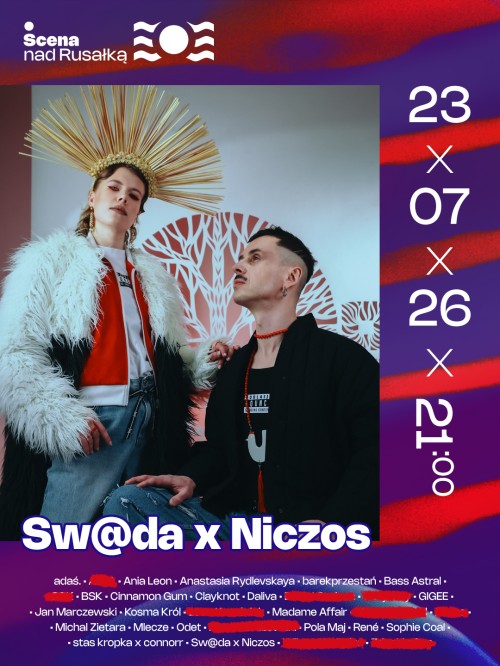
A Podlasie duo that took the national scene by storm, opening a whole new chapter in alternative music. Their work is a fusion of club sounds from the global south—baile funk, Afrobeat, jersey club, and phonic distortion—with local folklore from the Białystok area. This blend gives birth to Podlasie Bounce, a unique genre that the duo created and defined themselves!
Their debut album #INDAWOODS, nominated for a Fryderyk Award, proved that locality can become a springboard to something new and universal. In 2025, they were just one step away from Eurovision, attracting the attention of audiences and media with a fresh perspective on Polish musical identity.
On stage, they're a force of nature – Sw@da x Niczos's concerts are trance-like, dance rituals that combine traditional singing, rap in the Podlasie micro-language, and powerful club beats. It's a project that shatters the boundaries between folk, alternative, and hip-hop, creating a new community around borderland music.
IG ➝ instagram.com/swadaxniczos/
FB ➝ facebook.com/swadaxniczos
YT ➝ youtube.com/@swadaxniczos
TT ➝ tiktok.com/@swadaxniczos
Spotify ➝ open.spotify.com/artist/43QBxtuscxneLyKYYEFfEu?si=BKO4-5FBQ4OJBYao0C0rSA
How to get to the concert venue:
You can use public transportation – from the city centre (Most Teatralny), it takes approx. 20 min. by tram and bus, and then another 15-min. walk to the lake through the forest (there is an illuminated path leading to the concert area). Use jakdojade or googlemaps to check the route. You can also share a taxi with other conference participants.
About the event
Free admission!
Series Organizer: Pogoda Foundation
Strategic Sponsor: Enea
Partners: Rusałka Restaurant, Żywiec, Pepsi, Ilonn Hotel, MJP Drukarnia, WC Serwis, Polish Foundation for the Hearing Impaired, City of Poznań
Media Patrons: Radio Nowy Świat, Radio Afera, Radio Meteor, Freshmag, All In Poznań, Fotokulturalni, tenpoznań.pl,lepszypoznań.pl
We prioritise accessibility – thanks to our partnership with the Polish Foundation for the Hearing Impaired, every concert features an induction loop, allowing people with hearing aids to fully experience our concerts. The concert venue is barrier-free. Access to the stage is via a paved path, and both the Rusałka Restaurant restroom and the public restrooms located on the premises are equipped with a changing table for people with disabilities.
Financed by the City of Poznań as part of the Poznań Citizens' Budget for 2026.
Centrum Inicjatyw Międzykulturowych Horyzonty (Horyzonty Intercultural Initiatives Centre)
is a non-profit organization based in Poznań, Poland.
We create educational, cultural, and community-based projects that promote
intercultural dialogue, social inclusion, solidarity, and active citizenship.
Through workshops, exchanges, festivals, and local initiatives, we connect
people from diverse backgrounds and support cooperation across cultures and
generations.
See more: https://cimhoryzonty.org/en/home-page/
PO-Dzielnia
PO-Dzielnia is a community-based sharing and
zero-waste centre in Poznań, Poland. Since 2018, it has been promoting
sustainable consumption, circular economy practices, and environmental
awareness through a free shop, educational activities, workshops, lectures, and
cultural events. By encouraging the reuse and repair of everyday items,
PO-Dzielnia helps reduce waste and strengthen local community ties.
See more: https://podzielnia.pl/in-english/
https://www.facebook.com/podzielnia/?locale=pl_PL https://www.instagram.com/podzielnia/
Badaczki i Badacze na Granicy
Researchers on the Border (Badaczki i Badacze na
Granicy) is an inter-university, interdisciplinary grassroots research network
established in 2021 in response to the humanitarian crisis on the
Polish–Belarusian border. Working within critical border studies and an
activist research approach, the group studies this irregularized migration
route and the impacts of the border regime.
See more: www.bbng.org
https://www.facebook.com/BadaczeiBadaczkiNaGranicy/
Stowarzyszenie Pracownia Etnograficzna / Ethnographic Laboratory Association
founded in 2006, is a non-profit applying ethnological
expertise to address social issues and promote cultural diversity. Through
participatory research, educational projects, open seminars, and international
training programs, SPE successfully disseminates knowledge, empowers local
groups, and bridges diverse communities.
See more: https://www.facebook.com/StowarzyszeniePracowniaEtnograficzna
Stowarzyszenie Jeden Świat - SCI Poland
is a non-governmental organization and a member of
Service Civil International (SCI), a global peace movement with over 100 years
of history. We promote peace, solidarity, human rights, intercultural dialogue,
and active citizenship through local and international volunteering, youth
exchanges, workcamps, educational workshops, and community-based initiatives.
Our activities connect local engagement with global perspectives and support
people in becoming active changemakers in their communities.
See more: https://jedenswiat.org.pl/en/jeden-swiat-sci-poland-eng/
https://www.facebook.com/StowarzyszenieJedenSwiat.SCI/?locale=pl_PL
Stowarzyszenie We Are Monitoring / We Are Monitoring Association
The We Are Monitoring Association is part of the
Granica Group coalition. Together with other organizations, informal
initiatives and local residents, we co-create a solidarity network of
humanitarian aid on the Polish-Belarusian border. Since 2021, we have been
working for human rights by collecting, analyzing and sharing data on the scale
of movement, provision of support, abuses of power and various forms of
violence, including institutional, experienced by people on the move. Our work
also aims to complement the public discourse on migration by creating a space
for expression for people whose rights to freedom of movement and seeking
safety have been denied.
See more: https://wearemonitoring.org.pl/en/home/
"They did not let us speak": stories from the Polish-Belarusian border
Drawing on our data and the testimonies shared with us, we will talk about the situation of people on the move at the Polish-Belarusian border after the suspension of the right to seek international protection. Together, we will look at what these stories reveal about current border practices, everyday conditions of people on the move, and the consequences of increasingly restricted access to rights and safety.
Stowarzyszenie We Are Monitoring / We Are Monitoring Association
The We Are Monitoring Association is part of the Granica Group coalition. Together with other organizations, informal initiatives and local residents, we co-create a solidarity network of humanitarian aid on the Polish-Belarusian border. Since 2021, we have been working for human rights by collecting, analyzing and sharing data on the scale of movement, provision of support, abuses of power and various forms of violence, including institutional, experienced by people on the move. Our work also aims to complement the public discourse on migration by creating a space for expression for people whose rights to freedom of movement and seeking safety have been denied.
See more:https://wearemonitoring.org.pl/en/home/
Registration: at the “We Are Monitoring” information stall during the conference

Highlights of Poznań
Wednesday 17:30
Thursday 19:30
Friday 17:30
The city walks are funded by the City of Poznań. Places are limited to 25 participants per tour. To sign up, please visit the Registration Desk.
Starting point: Adam Mickiewicz Square
Discover the highlights of Poznań on a fascinating walk through the city’s most iconic landmarks, with a special focus on its rich 19th- and 20th-century history.
The tour begins in the Imperial District, created at the beginning of the 20th century, where impressive architecture tells the story of Poznań under Prussian rule. Here you will see the monumental Imperial Castle, the Opera House, and historic university buildings surrounding Adam Mickiewicz Square.
The walk continues through Freedom Square, lined with elegant 19th-century architecture, including the famous Bazar Hotel, the Raczyński Library, and the National Museum. Along the way, participants will learn about the “longest war of modern Europe” – the remarkable struggle of the Polish population to preserve its identity and culture without armed conflict.
The tour ends at Poznań’s Old Market Square, considered one of the most beautiful in Poland, with its magnificent 16th-century Town Hall and charming colorful merchant houses.
This walk is a perfect introduction to the history, architecture, and unique atmosphere of Poznań.
Author: Jakub Pindych
The Women of Poznań
Wednesday 17:30
Thursday 19:30
Friday 17:30
The city walks are funded by the City of Poznań. Places are limited to 25 participants per tour. To sign up, please visit the Registration Desk.
Starting point: Grand Theatre (Opera House), Fredry Street
Discover Jeżyce – one of Poznań’s most vibrant and atmospheric districts – through the stories of the remarkable women who lived and worked here.
Famous for its beautiful Art Nouveau architecture and lively cultural spirit, Jeżyce has long been home to inspiring women who shaped the social, cultural, and intellectual life of the city. During the walk, you will meet writers, a doctor, a nurse, and an actress whose lives and achievements left a lasting mark on Poznań.
The tour will also explore important historical events connected with Jeżyce, including the settlement of the Bamberg colonists and the first workers’ protest in Poland against the communist authorities. Along the way, you will discover the important and often overlooked role women played in these moments of history.
Combining fascinating biographies, local history, and the charm of Jeżyce’s historic streets, this tour offers a unique perspective on Poznań and its extraordinary women.
Author: Adam Ciereszko
Prehistoric Poznań
Wednesday 18:30
Thursday 19:30
Friday 17:30
The city walks are funded by the City of Poznań. Places are limited to 25 participants per tour. To sign up, please visit the Registration Desk.
Starting point: Amphitheatre at the KontenerArt
Travel back thousands of years to discover the prehistoric roots of the Poznań region. This walk explores the fascinating story of the first inhabitants of Greater Poland – from Western hunter-gatherers and the arrival of Neolithic farmers to the spread of Indo-European cultures such as the Yamnaya and Corded Ware cultures.
You will learn how archaeology and ancient DNA research help reconstruct the lives, migrations, and beliefs of prehistoric communities, including the builders of megalithic tombs discovered in the region. The tour also presents how these early populations shaped the genetic and cultural heritage of present-day inhabitants of Poznań and Greater Poland.
Set on Ostrów Tumski – the historical heart of Poznań and one of the oldest settlement areas in Poland – this walk combines archaeology, anthropology, and history in a unique introduction to the deep past of the region.
Author:
Adam Ciereszko
We invite delegates with tickets (little dancer on your badge will indicate you have bought one when registering), to our closing party which will take place at the amazing ZAMEK Castle Cultural Centre, in the centre of Poznań. Come and enjoy a concert of Dagadana – a Poznań-based Polish-Ukrainian band which blends elements of Polish and Ukrainian culture through jazz, electronic music, and world music. The concert will be followed by a dance set with live vocal by AN ON BAST & DAGA GREGOROWICZ. Since you are in Wielkopolska (Greater Poland), let yourself be swept away by music filled with melodies and traditional lyrics from this region. Blended with modern electronic sounds – from IDM to techno – they create a bold dialogue between heritage and the future. During the party you will have a chance to try locally sourced cuisine, with a complimentary glass (or two!) of draft beer.
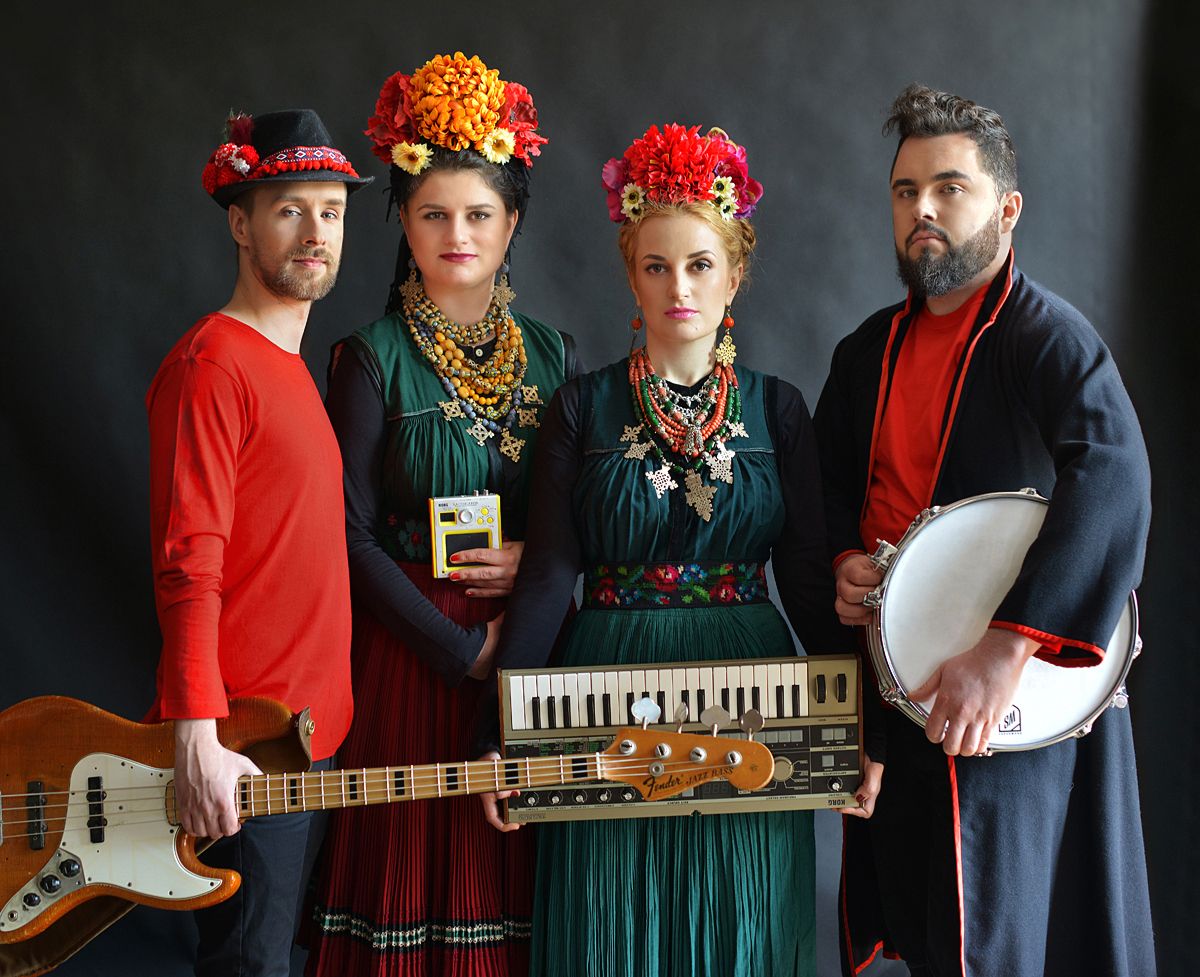
Dagadana - photo by Domnika Dyka
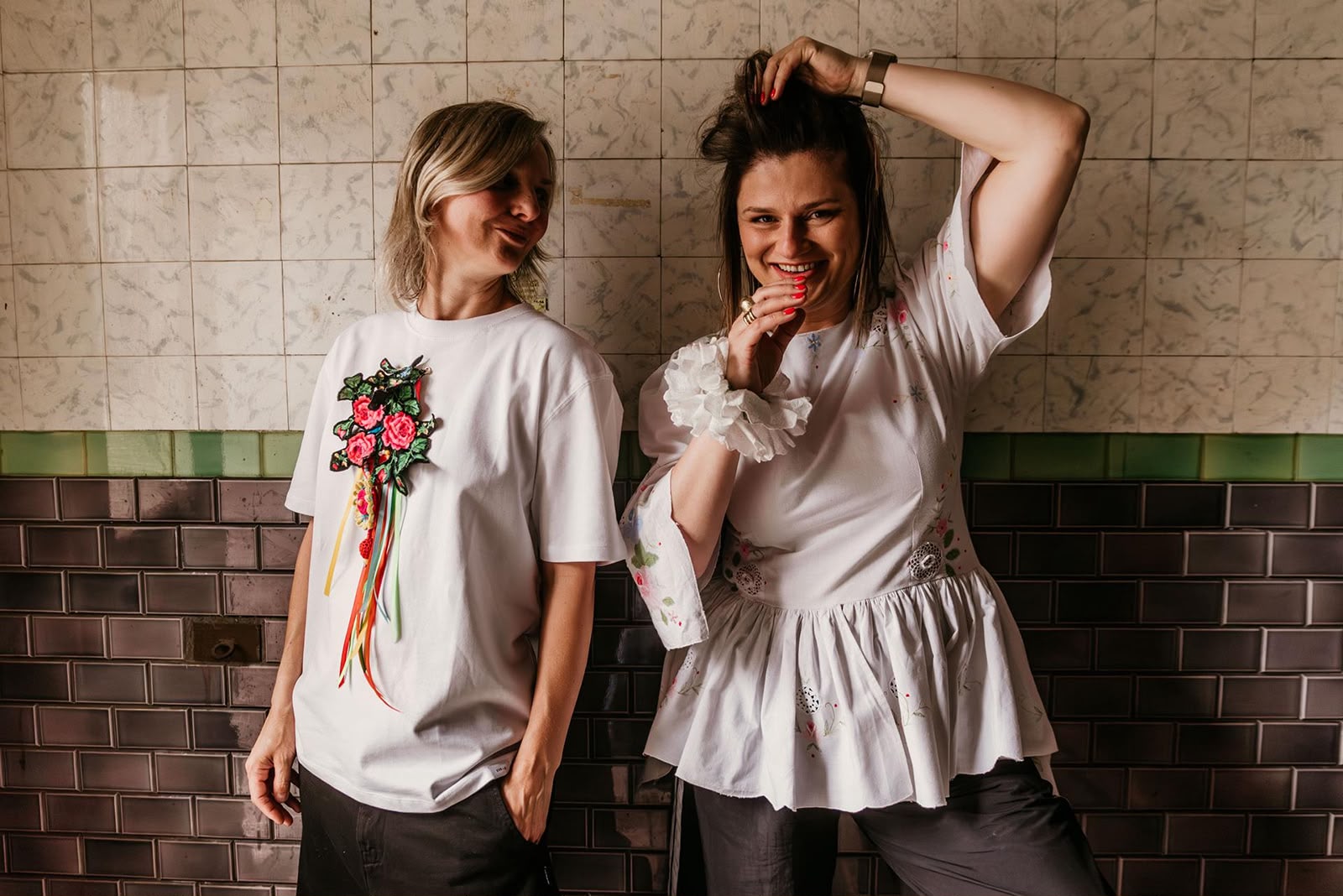
AN ON BAST & DAGA GREGOROWICZ – photo by Krzysztof Wysocki