Timetable
Log in to star items.
Time zone: Europe/Dublin
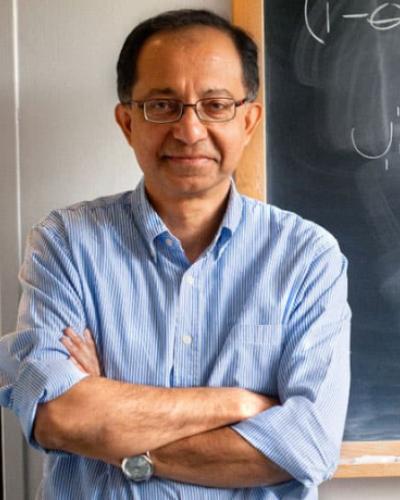
Chaired by Uma Kambhampati
Kaushik Basu is Professor of Economics and Carl Marks Professor at Cornell University. He was the Chief Economist of the World Bank, 2012-16, and Chief Economic Adviser to the Indian Government, 2009-2012.
Basu received his PhD and M.Sc (Econ) from the London School of Economics and BA (Hons) from St. Stephen’s College, Delhi. He is a Fellow of the Econometric Society and received honorary doctorates from several institutes and universities, including IIT Bombay and the University of Bath, U.K. He is recipient of the Humboldt Research Award 2021.
He has published widely in development economics, industrial organization and game theory. He has authored several books, including The Republic of Beliefs: A New Approach to Law and Economics (Princeton University Press, 2018). His works have been translated into several languages, including Chinese, Spanish, Italian, Russian, Polish and French. Professor Basu has contributed popular articles to magazines and newspapers, such as The New York Times, Scientific American, and BBC News Online.
In 2008 he was awarded the Padma Bhushan, by the President of India. Kaushik Basu has held visiting positions at the Institute for Advanced Study, Princeton, Harvard University, Princeton University and M.I.T.
Basu's abstract: With rapidly advancing technology, and new forms of globalization, the world’s economy and politics are changing in such fundamental ways that few could have anticipated. The demand for labor is falling, giving rise to unacceptable levels of inequality; and this is, in turn, spilling over into our social and political lives, causing conflict, polarization and deprivation, especially in the global south. Many of our standard tools of economic analysis are faltering in this new world. The lecture will describe some elements of new thinking that we must bring to the table, in order to analyze this new world, and think of novel policy interventions that can help us navigate this new reality, and pay attention to the developing world that often does not have the voice to match its needs.
Solar power is a renewable technology with huge benefits for both the Global North and South – but with an unavoidable byproduct: waste. This book – the first to examine the off-grid solar industry in Kenya – questions the technology’s sustainability and is based on ethnographic fieldwork with the independent repair workers at the sharp end of the solar revolution.
Declan Murray proposes that, rather than imposing an external blueprint, energy development projects in the Global South should adopt the approach of the ‘bricoleur’ – which means learning from past experiences, drawing on resources at hand and prioritizing function over form. He concludes with realistic and practical solutions to the problems of solar product breakdown, disposal, repair and recycling.
A link to the publisher page can be found here
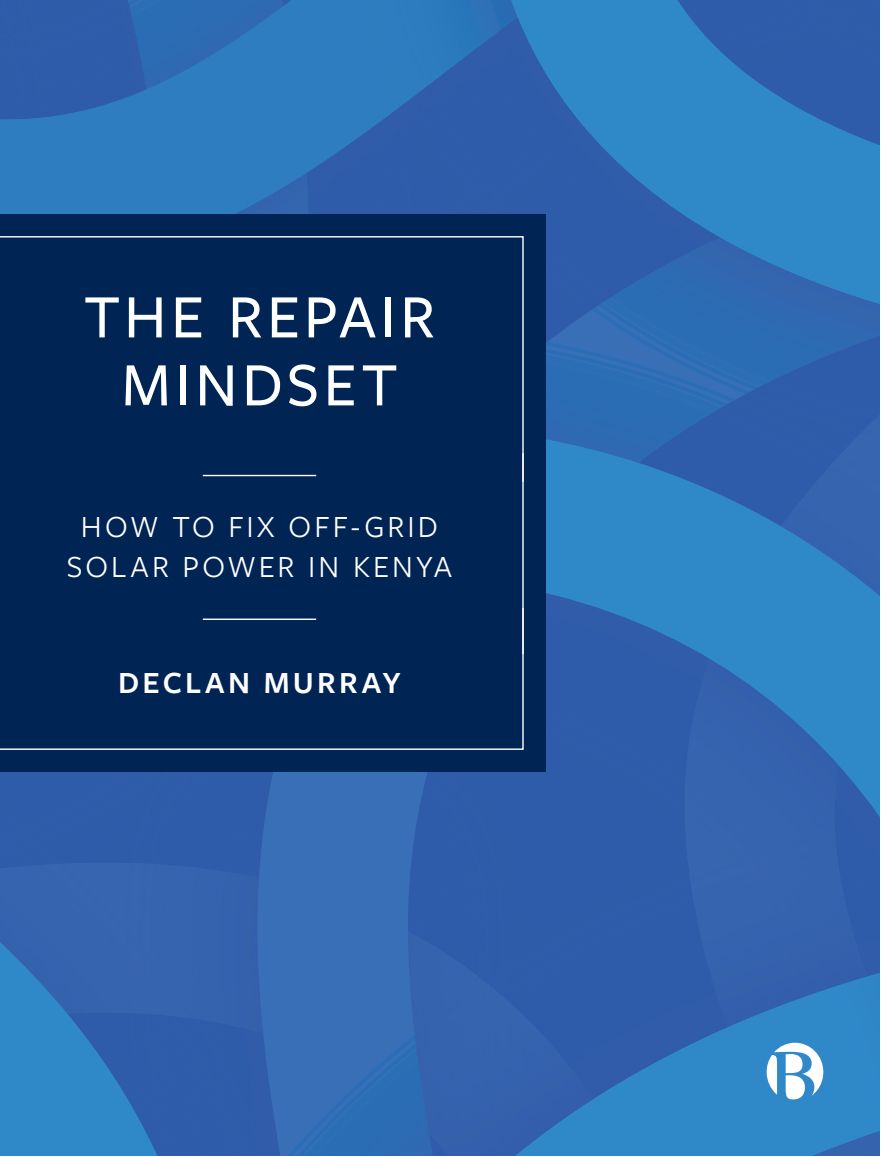
The open access version of the book can be found here
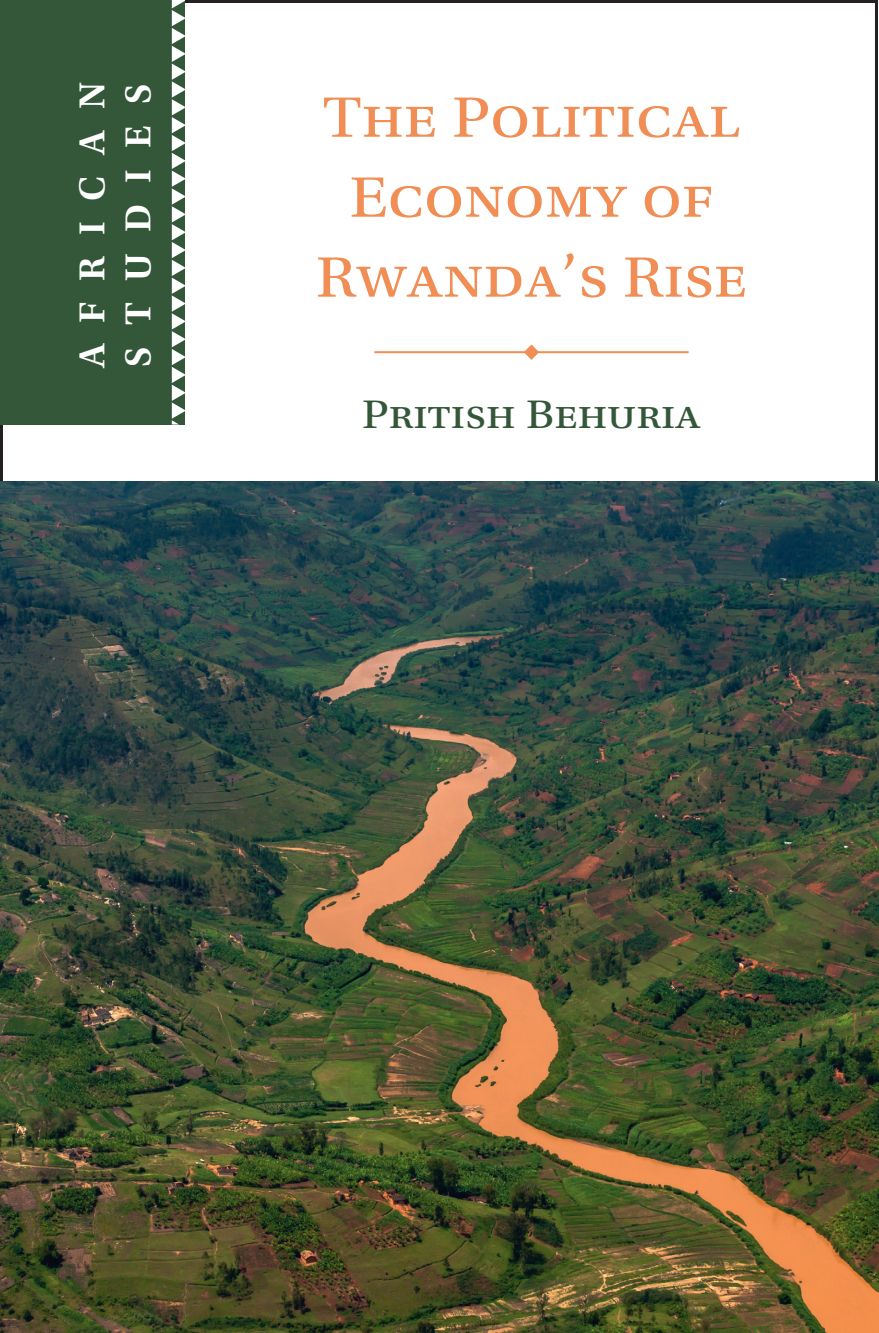
This book examines the ways ideas gain power and momentum (and are contested, challenged, and circumvented) within global networks of development actors, institutions, and programmes. But it goes a step further: it examines the processes of development as another way in which knowledge is globalized, spread, and locally adapted and adopted. It builds on a multi-sited ethnography spanning the USA, Kenya, Switzerland, and Kyrgyzstan to theorize the way civil society knowledge networks create and contest epistemic power within international development. Both networks revolve around ecological projects intended to support pastoralist communities affected by climate change. Yet despite their overt focus, these networks also engage in many other realms of knowledge, including understandings of the state, land rights, rural livelihoods, expertise, authenticity, participation, and development itself. By tracing these civil society knowledge networks, the book challenges assumptions about the way power is distributed between development institutions and communities by exploring the way local actors can contest the epistemic authority of elite global institutions by laying claim to categories of authenticity and legitimacy. It also demonstrates the ways in which incorporation into such networks moderates contentious politics between community activists and the state, yet simultaneously creates knowledge around avenues for accessing and making demands on the state, ultimately challenging the idea that development is a straightforwardly depoliticizing process. Ultimately, this work reveals how ideas move, mutate, and impact communities around the world, demonstrating the complexities and contradictions of knowledge flows on micro, meso, and global scales with development practice.
Naila Kabeer is Professor Emeritus at the Department of International Development, a Faculty member of the International Inequalities Institute and on the governing board of the Atlantic Fellowship for Social and Economic Equity at the London School of Economics, UK. She has extensive experience in research, teaching and advisory work in the fields of gender, poverty, livelihoods, social protection and inclusive citizenship, with a particular focus on South Asia. She has published books, journal articles, working papers and blogs on these issues. Her first book ‘Reversed Realities: Gender Hierarchies in Development Thought’ was published in 1994 while her more recent one ‘Renegotiating patriarchy: gender, agency and the Bangladesh paradox’ (LSE Press Open Access) came out in 2024. She has worked in an advisory capacity with various international agencies, such as the World Bank, UNDP, UN Women and the Asian Development Bank, with international NGOs, such as OXFAM and ActionAid and with national NGOs, such as BRAC in Bangladesh and PRADAN in India. She is on the editorial board of Feminist Economics and Gender and Development and serves in an editorial advisory capacity for Development and Change, Bangladesh Development Studies and European Journal of Development Research. She is also currently on the advisory boards of UNRISD, UNU-International Institute for Global Health, a member of the UN Women Leaders’ Network and of the UN High Level Expert Group on ‘Beyond Growth’
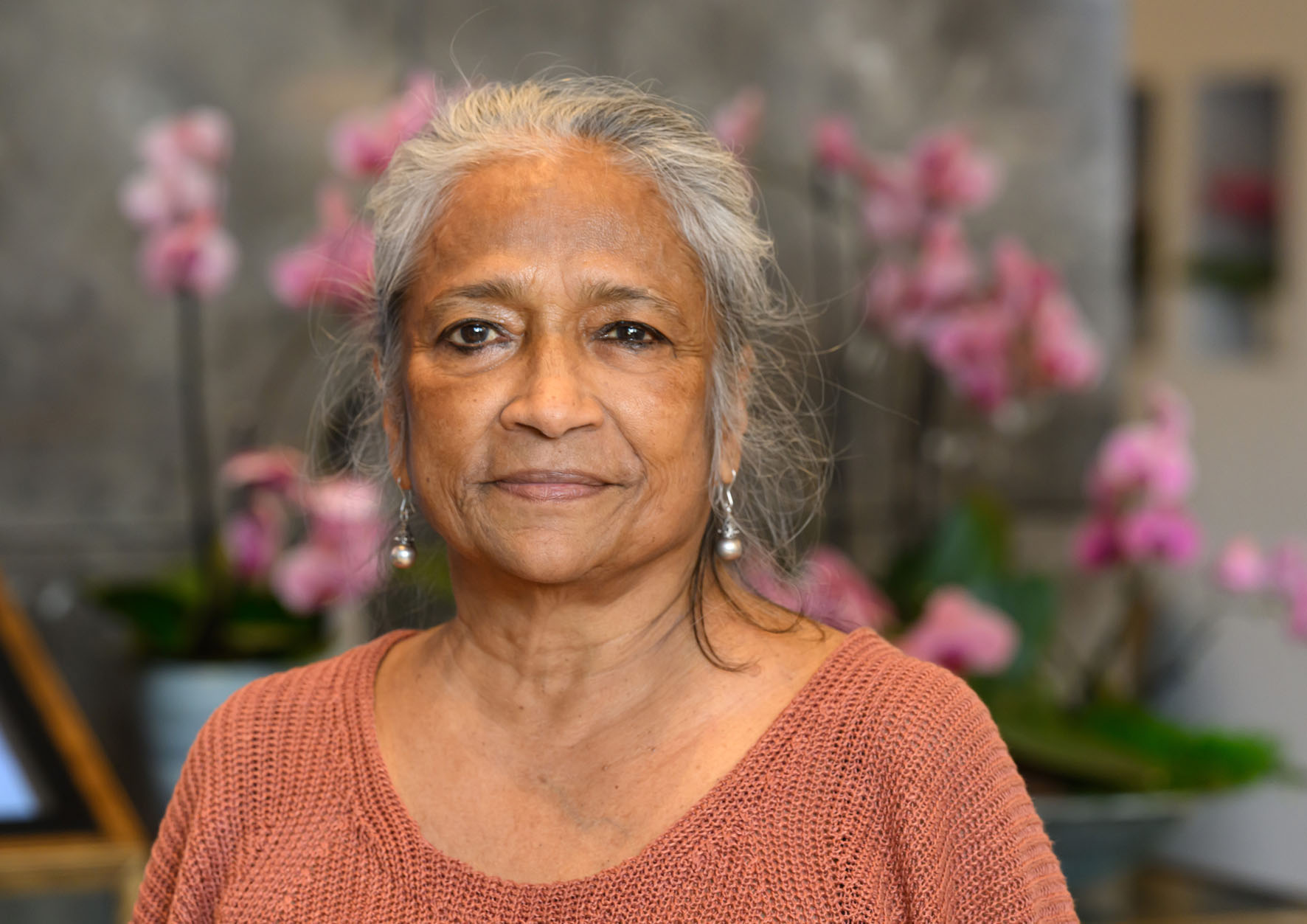
Naila's abstract: ‘From growth to wellbeing: re-imagining the economy from a feminist perspective’ / or a feminist re-imagination of the economy'
Life for human beings has always been characterised by risk and uncertainty, but societies have generally been able to provide sufficient protection to their members to allow them to meet the needs of today and to plan for tomorrow –although most societies have done so more successfully for some of their members than for others.
But we have now moved into era of market-driven growth that is characterised by steadily rising inequality, accelerating climate change and intensified gender injustice. These are not new phenomena - what is new is the pace and intensity of the changes involved, the global nature of their repercussions and the pervasive nature of the uncertainty they introduce about what tomorrow might bring. Indeed, climate change has raised questions over whether there will indeed be a tomorrow, not just for those who are most disadvantaged today but for humanity as a whole and for the planet it occupies.
While there has been a great deal of critical analysis of this era of uncertainty from a range of different perspectives, they converge in their conclusion that its roots lie in the unregulated markets that dominate the world economy today and that subordinate all aspects of human and non-human life to the profit-driven values of the marketplace.
What I would like to argue is that these critiques provide us with the resources to re-imagine the economy from one that prioritizes growth to one that centres wellbeing. And, what I would also like to argue, it that they point to the importance of feminist values and priorities in helping us navigate the transition to this reimagined future.
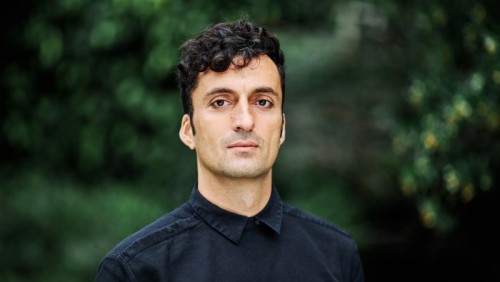
Chaired by Diretnan Dikwal-Bot
Mark Graham is a Professor of Internet Geography at the Oxford Internet Institute, a Senior Research Fellow at Green Templeton College, a Research Affiliate in the University of Oxford’s School of Geography and the Environment, a Research Associate at the Centre for Information Technology and National Development in Africa at the University of Cape Town, a Visiting Researcher at the Berlin Social Science Centre, and a Faculty Affiliate at the Institute for the Cooperative Digital Economy (ICDE) at The New School.
My research examines how digital technologies intersect with geographic contexts, transforming work, value chains, and inequalities on a global scale. I ask who ultimately benefits—and who is excluded—when the places in which we live and work become more deeply integrated with digital systems. I focus particularly on data workers at the economic periphery and the working conditions they face. I also lead the Fairwork action research initiative, which evaluates companies and encourages adherence to fair labour standards.
Mark's abstract: Who Gets Seen, Who Gets Used: Synthetic Geographies and the Political Economy of Generative AI
Generative AI is increasingly shaping how places are known, valued and governed. This talk argues that AI is best understood not as a neutral tool for information, nor as a proxy for human cognition, but as an infrastructure of uneven development. It concentrates the power to represent the world while dispersing the work and risks of building that representation. Large language models produce synthetic geographies: digitally mediated accounts of place that can flatten, rank and overwrite local knowledge. At the same time, these systems depend on extractive labour and supply chains that stretch across uneven global economies.
In the first part, I draw on an audit of 20 million ChatGPT queries to show how large language models reproduce and amplify long-standing spatial inequalities. Through the lens of the silicon gaze, I map systematic distortions in representations of countries, regions, cities and neighbourhoods. I introduce a five-part typology of place-based bias: availability, pattern, averaging, trope and proxy to explain how some places are rendered hyper-visible while others become invisible or stereotyped.
In the second part, I shift from outputs to inputs. I argue that generative AI is an extraction machine dependent on sustained control over capital, infrastructure, data and, critically, human labour. Drawing on the Fairwork project’s action research initiative, I show how benchmarking can make hidden workforces and power asymmetries visible and contestable, and how similar tools might be adapted to govern fairness across AI production networks.
If generative AI is reshaping how the world is seen, then a central question for development studies is who controls the means of representation and who bears the costs of producing it.

Aram Ziai is Chair of Development and Postcolonial Studies at the University of Kassel and Director of the Global Partnership Network, one of the Centers of Excellence for Exchange and Development funded by the German Ministry for
Development Cooperation. He has taught among others at the universities of Hamburg, Amsterdam (UvA), Vienna (IE), Bonn
(ZEF), Accra (UG) and Tehran (UT). His research areas include Post-Development approaches, the World Bank Inspection Panel and neocolonialism in the global economy.
Aram's Abstract:Asymmetrical relations of power in representation and production in the postcolonial era: Can ‘development’ be decolonized?Global asymmetrical relations of power in representation and production date back to colonialism, becoming institutionalised through the ‘great divergence’ and the industrial revolution. The discourse of ‘development’ emerged as a new programme in North-South relations in the first half of the 20th century as a successor discourse to colonialism. While maintaining the colonial elements of Eurocentrism and trusteeship, the new discourse denounced the ‘old imperialism’ and introduced ideas of a North-South partnership beneficial to both sides.
In the 21 century, the colonial elements of the discourse have increasingly been criticized, leading to the new catchword of ‘decolonising development’. Is it possible to discard the colonial elements of development cooperation? Can the asymmetrical relations of power in representation and production be overcome? The case of the German Ministry for Development Cooperation BMZ’s new strategy of a feminist, postcolonial and anti-racist development policy provides some insights.